

As parents, we all want to see our children thrive and reach their full potential. Understanding what motivates your child ? is the first, most crucial step on this journey. It’s not just about offering rewards or praise; it’s about tapping into their inner fire—their intrinsic child motivation—and building a strong foundation for their future. This guide is your roadmap to discovering the unique drivers of your child’s passion, providing you with actionable strategies and insightful parenting advice to foster a love for learning and self-improvement that will last a lifetime. Get ready to become your child’s most effective and inspiring guide.
Understanding the Different Types of Child Motivation
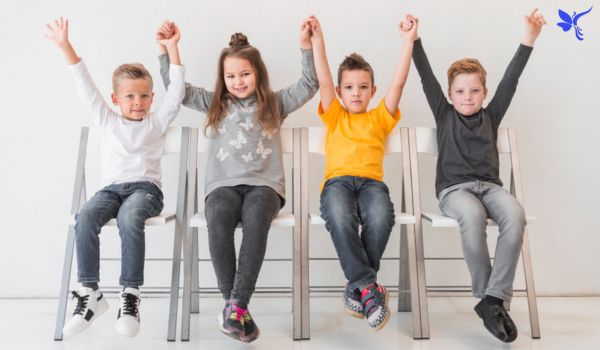
Motivation is not a single concept. It has many layers. Think of a child who reads a book because they love the story. That is intrinsic motivation. It comes from within. Now, think of a child who reads to earn a sticker. That is extrinsic motivation. It comes from external rewards. Both are important. However, intrinsic drive often leads to deeper learning fun and greater passion. We must find a balance between them.
The drivers of child motivation can be complex. Some kids want to please their parents. Others want to do well in school. They may just want to make new friends. A deeper desire to understand the world can also be a strong force. As a parent, you can observe and understand these different drivers. This helps you to better support their journey. This understanding is a powerful form of parenting advice.
The Power of Setting Goals and Making a Plan
Helping your child set goals is a vital skill. It gives them a roadmap to success. Start with small, reachable goals. For example, a child may wish to save up for a new toy. A good short-term goal would be to save some money every week. Their long-term goal might be to eventually buy a new bicycle. These specific objectives need hard work. They build a sense of purpose.
To accomplish any goal, you’ll need a solid plan. Work with your child to design a step-by-step strategy. This makes the goal less overwhelming. A student with a big test can make a plan to study one chapter each day. This simple action breaks down a large task. It shows them that big dreams are built with small, consistent steps. This process builds self-direction and confidence.
Encouraging Your Child and Celebrating Accomplishments
A few words of encouragement can move mountains. Your belief in your child is a powerful thing. You must let your child know you believe in them. You can dismiss their self-doubt and fears. This provides a secure environment for them to attempt new tasks. It is a cornerstone of child development. This kind of support is vital for their emotional growth.
You must also celebrate accomplishments. Do it often. The victories can be big or small. Finishing a difficult puzzle is worth celebrating. So is winning a big game. You can share these successes together. A high-five or a special dinner is a great way to do this. This positive reinforcement makes them feel valued. It motivates them to work harder. The sense of achievement itself is the best reward.
Tapping into Their Passions and Interests
A child’s passion is like a hidden treasure. Your job is to help them discover passion. This may take some time and effort. They might try a few hobbies before finding the right one. Support them on this journey. This exploration is part of their growth. It helps them find what truly brings them joy.
Once you find their passion, connect it to learning. If they love space, read books about astronomy. If they love art, go to museums. This makes learning feel natural. It turns tasks into adventures. Tapping into their passions is a smart way to inspire them. This approach is a critical part of effective parenting advice. This approach makes them more engaged and motivated.
Making Learning Fun and Engaging
Learning should not feel like a chore. It should be a game. You can use educational games to teach new skills. Board games can teach math. Puzzles can improve problem-solving. This makes learning a source of joy. It boosts their willingness to try new things.
The key is to focus on what your children enjoy. Does your child like to build? Use construction kits. Do they like to create? Try craft kits. These activities teach valuable skills. They also keep kids motivated. This turns your home into a learning playground. This approach is a much more effective motivator than simple rewards.
The Role of Healthy Competition
Competition often gets a bad reputation. But healthy competition is good. It can be a great motivator. It inspires effort and personal growth. You can encourage your child to beat their own best time in a race. Or they can work to improve their spelling for a spelling bee. This action centers on making personal gains.
It is important to teach sportsmanship. The focus should be on personal strength. It should never be about the other person’s weakness. This mindset builds resilience and a positive spirit. It turns competition into a tool for self-improvement. It is not just about winning. It is about becoming a better version of themselves.
The Benefits of a Positive and Optimistic Outlook
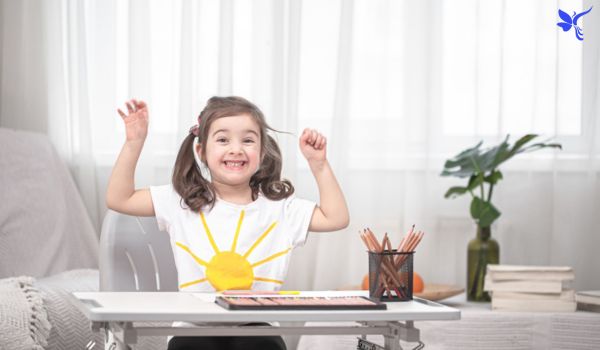
Your attitude is a mirror for your child. If you have a positive outlook, they will too. They watch your every move. A parent who sees possibilities, not problems, inspires them. A hopeful approach makes a difficult situation seem manageable. This builds their self-confidence. It teaches them that challenges aren’t the final stopping point.
A parent’s positive mindset is a crucial part of child development. It creates an environment of trust and optimism. This assists them in facing new obstacles with a fresh perspective. It helps them develop resilience. They will learn to see failure not as a stop sign, but as a stepping stone. This is a profound life lesson.
Leveraging Peer Pressure in a Positive Way
Peer pressure is not always a bad thing. It can be a force for good. You can guide your child towards positive friendships. These friends can inspire them to do better in school. They can push them to excel in a sport. This is a natural form of extrinsic motivation. It shows your child the benefits of positive social circles.
You must remain vigilant. Know when the pressure becomes too much. Be there to listen. Help them manage the stress. Your role is to help them choose good friends. You help them find a supportive community. This turns a potentially negative force into a constructive one. It can become a strong motivator for your children.
The Parent’s Role: Getting Involved and Taking an Interest
Your involvement is more than just presence. It is about being a partner. Parent involvement shows that you care. It makes your child feel seen and valued. You can attend their school plays. You can go to their sporting events. This shows that their activities are important to you.
You can also take an active interest. Ask specific questions about their homework. Learn the rules of their favorite game. This small act of showing you care creates a strong bond. It is a subtle but strong motivator. They will feel more supported. They will feel more comfortable sharing their lives with you.
Using Creative Praise to Boost Confidence
Saying “Good job” is fine. But it’s not always the most effective. Creative praise is more specific. It focuses on the effort. You can say, “I love how you didn’t give up on that tough math problem.” This tells them that perseverance is valued. It’s better than just praising the correct answer. This kind of feedback builds real self-confidence. It teaches them that their work ethic matters more than just the outcome.
This way of encouraging children builds a mindset focused on growth. They learn to love the process. They see challenges as opportunities. They are not afraid to fail. This helps them be more resilient. This type of praise is a key part of effective positive reinforcement. It teaches them that their dedication is what leads to true success.
Coaching Your Child Through Motivational Challenges
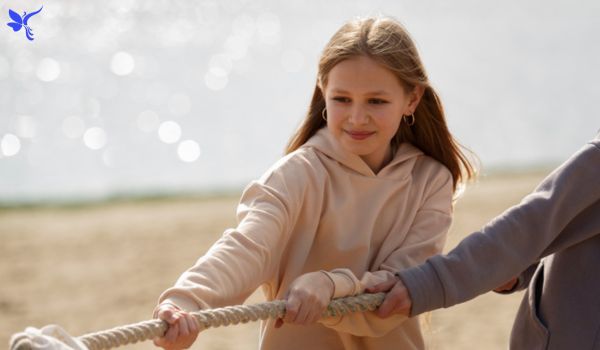
Every child faces a slump. It is part of life. As a parent, you can act as a coach. You can guide them through the less positive aspects of motivation. For example, a child may become too focused on winning. This can lead to disappointment. You can guide them to focus on having fun. You can also help them understand that losing is a part of the game.
You can also help them when they feel overwhelmed. They might be struggling with a project. You can help them break it down. You can remind them of their past success. This helps them to manage stress. This kind of coaching is a vital part of child development. It teaches them to be resilient. It helps them stay positive even in tough times.
Finding the Right Motivation: A Guide to Asking Your Child
You cannot know what drives your child without asking. They hold the answers. You must become a detective. Start by asking open-ended questions. Here are a few examples:
- What part of this project do you enjoy the most?
- What makes you feel proud after a big game?
- What would you do with your free time if you had no chores?
Listen to their answers. Do not judge. Your goal is to understand their inner world. This conversation is a profound form of parenting advice. It shows them that their feelings and opinions matter. It is a powerful way to understand what motivates your child? It is a crucial step towards building a trusting relationship.
Conclusion
Motivating your child is a continuous journey. It’s an experience filled with learning and growth for both you and your child. By understanding their unique drivers, you can give them the right kind of support. By celebrating their accomplishments and being a positive role model, you empower them. This will not only lead to their success but also to their lasting happiness. You are their guide. You are their biggest fan. You are the one who can unlock their greatest potential.
FAQ
How do I answer what motivates your child?
Focus on their specific interests, passions, and the joy they find in their activities.
What motivated your child in school?
My child was motivated by a desire to understand new concepts and participate in class projects with their friends.
What motivates most kids?
Most kids are motivated by a combination of fun activities, praise from adults, and a desire for personal accomplishment.
What is motivation for kids?
Motivation for kids is the internal or external drive that encourages them to start and continue a task or activity.
What is the best motivation for kids?
The best motivation is often a blend of fostering intrinsic passions and providing positive, specific encouragement.
What is the best answer for motivation?
The best answer highlights a balanced approach that focuses on a child’s unique interests and internal drive.

I am Muddasir Tahir, a dedicated Lifestyle strategist and fitness expert with over 5 years of professional experience. I launched Lifestyle Dominates to serve as your primary source for building mental clarity and physical power. My goal is to give you the tools to improve your daily productivity and overall health. I focus on providing science-backed advice to help you take full control of your modern life.