

February winds down, and perhaps your fervent New Year’s fitness goals have started to falter. Many dedicated souls encounter this slowdown due to overtraining or an unexpected injury, often involving their delicate hands or wrists. Fortunately, much of this discomfort is minor, easily preventable, or treatable from your home. This comprehensive guide shares vital insights for Overcoming Wrist Pain: Tips for Safe Weightlifting.
It explores causes, effective prevention, and practical recovery strategies. Discover how to enhance your gym routine safely, ensuring long-term joint health and consistent progress.
Understanding the Anatomy of Your Hands and Wrists in Training
Unlocking peak performance in the gym necessitates a fundamental grasp of your hand and wrist’s intricate design. This complex articulation comprises numerous tiny carpal bones, resilient ligaments, and supple tendons. All these work in concert, orchestrating every precise movement. These vital components, while remarkably robust, remain highly susceptible to the intense pressures of rigorous weightlifting.
Consider your wrist a pivotal, flexible hinge. It empowers a vast range of fluid motion yet bears significant loads during diverse exercises. Protecting these small, hardworking structures is paramount for sustained gym activity. A simple understanding of your body’s inner workings genuinely forms the solid foundation for engaging in safe weightlifting practices.
Common Hand and Wrist Injuries Suffered by Gym-Goers

The athletic environment often harbors unforeseen risks to your hands and wrists. Imagine the sudden jolt of falling awkwardly or the crushing impact of a dropped weight. Even persistent, repetitive activity can quietly initiate nagging discomfort. These scenarios frequently lead to varied injuries within this vital anatomical area.
When muscles or tendons are overstretched, that’s called a strain. However, when ligaments get hurt, that’s known as a sprain. Both stem from overextension, either acute or gradual, directly contributing to bothersome wrist pain.
Identifying the Core Causes of Wrist Pain from Weightlifting
Have you ever pondered why that nagging wrist pain persists after a strenuous weightlifting session? Often, the primary culprit lies in subtle errors during your workout regimen. For instance, maintaining an improper form during crucial lifts consistently stresses delicate joints and soft tissues. This common oversight significantly amplifies your injury risk.
Moreover, the siren call of lifting too much weight frequently proves irresistible, yet it directly invites injury. Acute traumas, like unexpected jolts, or simply excessive overall training volume, contribute significantly. These combined factors exacerbate existing issues, hindering your progress in achieving safe weightlifting.
Differentiating Types of Wrist Pain: Tendonitis, Carpal Tunnel, and More
Decoding your wrist pain begins with understanding its specific nature. Tendonitis causes, for example, signal inflammation within a tendon, typically manifesting as localized aching or tenderness. This common ailment often stems from overuse or sudden increases in exercise intensity, particularly in demanding weightlifting.
However, other conditions like carpal tunnel syndrome symptoms present distinct challenges, marked by numbness or tingling. A fracture or a wrist sprain offers yet another distinct scenario. Recognizing these differing pain types is crucial for selecting appropriate remedies and making informed choices for overcoming wrist pain.
Mastering Proper Form and Technique to Protect Your Wrists
Achieving proper form stands as the cornerstone of preventing wrist pain during weightlifting. Imagine maintaining a perfectly straight wrist, aligning it seamlessly with your forearm. This neutral position minimizes isolated stress, allowing larger muscle groups to bear the entire load effectively. This simple adjustment profoundly protects delicate joints.
For example, when performing push-ups, consider utilizing push-up bars or your knuckles to preserve a neutral wrist. During bicep curls, ensure your wrists remain firmly locked. Firmly grasping the bar lower in your palm for presses prevents excessive backward bending, truly promoting safe weightlifting.
When discussing proper form, address how raised shoulders can misalign your wrists. This puts extra strain on them during lifting, increasing injury risk.
When focusing on proper form, remember that compensating for weak wrists or using an incorrect grip can also lead to shoulder pain. This is because your entire arm, from hand to shoulder, functions as a connected unit during lifting.
The Crucial Role of Weight Selection: Don’t Lift Too Much
Resist the powerful temptation to conquer insurmountable poundages. Attempting to lift excessive weight is a primary catalyst for immediate injury, regardless of your technique. Even seasoned lifters can be forced into precarious positions when completely overloaded. This vital principle extends even to bodyweight exercises.
Consider modifying push-ups from your knees or performing them with hands on an incline. These adjustments significantly reduce the direct load, ensuring you prevent unnecessary strain. Prioritizing correct weight selection is fundamental for overcoming wrist pain and sustaining long-term progress in your weightlifting journey.
Targeted Strength Training for Robust Wrist and Forearm Muscles
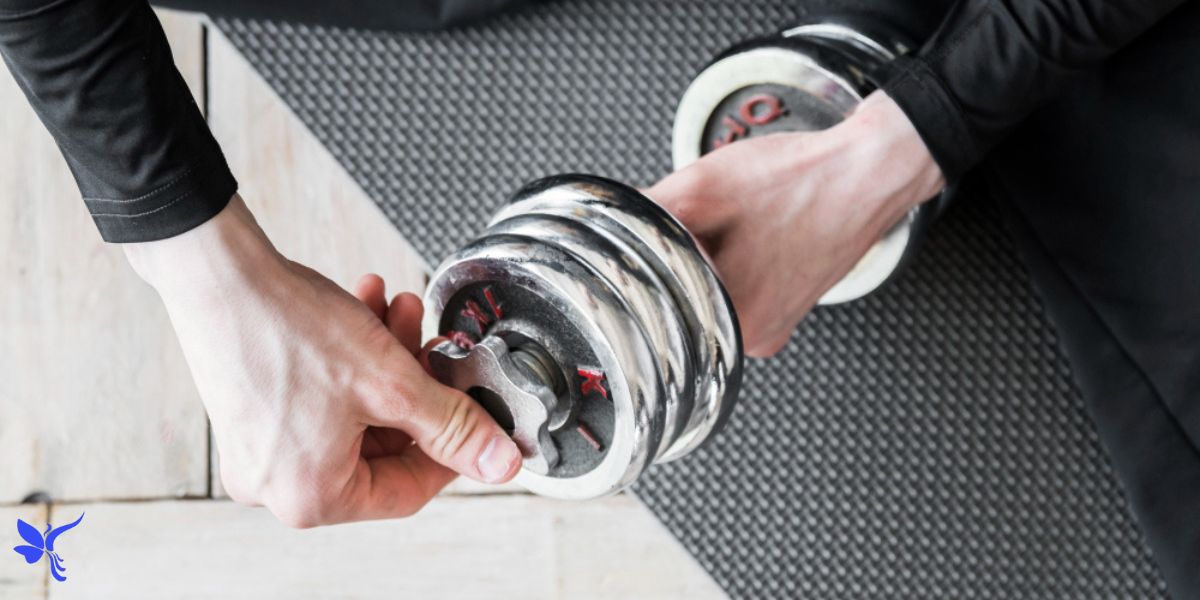
Developing formidable strength in your wrist and forearm muscles acts as a powerful shield against injury. Imagine these muscles as steadfast guardians, stabilizing your wrist joint during dynamic movements. A stronger grip further enhances your precise control over weights, crucial for safe weightlifting.
Incorporate exercises like wrist curls and reverse wrist curls using light dumbbells. Perform these with deliberate control, focusing intently on the muscle contraction. Squeezing a tennis ball or using a hand gripper can also effectively build grip strength, significantly aiding in overcoming wrist pain.
The Non-Negotiable Importance of Warm-up Before Your Workout
Embarking on any weightlifting session without a proper warm-up is akin to driving a cold engine at high speed. A dynamic warm-up quickly sends extra blood to your muscles, tendons, and ligaments. This crucial step enhances their pliability, significantly reducing the likelihood of tears or strains. This is essential for wrist pain prevention.
Picture this as getting your body ready for a tough challenge. Gentle wrist rotations, arm circles, and shoulder rolls prime the entire upper kinetic chain. This brief, yet essential, pre-workout ritual forms an indispensable pillar for overcoming wrist pain and ensures your readiness for the rigors ahead in the gym.
Effective Stretching Routines for Pre- and Post-Workout Wrist Health
Adding specific stretching exercises to your routine is crucial for keeping your wrists flexible and avoiding stiffness. Envision your tendons and ligaments gaining more stretchiness. This enhanced flexibility directly translates into a greater range of motion, truly crucial for safe weightlifting.
Before your workout, gently manipulate your wrists in various directions with your other hand. Post-exercise, perform a wrist flexor stretch: extend one arm palm-up, then gently pull your fingers back. Holding for 20-30 seconds on each side will significantly aid recovery and help with overcoming wrist pain.
Navigating Wrist Support Devices: Braces, Wraps, and Their Proper Use
Wrist support devices offer a valuable layer of protection when navigating the demands of weightlifting. Think of it like a strong support beam holding up something delicate. Athletic tape or reusable wrist braces provide added stability, inherently restricting harmful overextension in any direction. This robust support reduces immediate injury risk.
These aids prove especially beneficial for exercises where some wrist bend is unavoidable, like bench presses. Ensure any brace fits snugly but never constricts circulation. A simple finger squeeze test confirms proper fit, ensuring these tools effectively aid in overcoming wrist pain.
Smart Modifications to Your Weightlifting Routine to Avoid Pain
Experiencing wrist pain does not necessitate abandoning your fitness goals. Instead, consider creative modifications to your weightlifting regimen. Imagine adjusting your approach, like using dumbbells instead of a barbell for exercises such as bench presses. Dumbbells often allow for a more natural range of motion.
Explore alternative grips or hand positions; for instance, switching to an underhand grip for pull-ups may alleviate discomfort. Utilizing specialized tools like yoga blocks can also reposition your hands. These thoughtful adaptations enable continued training while successfully overcoming wrist pain.
Holistic Approaches: Nutrition and Lifestyle for Optimal Wrist Health
Beyond the weights, your body’s internal environment profoundly impacts wrist pain and overall joint resilience. Think of your body as a high-performance machine; it requires premium fuel for optimal function and repair. Adequate protein and calorie intake are crucial for muscle and tissue restoration. This forms part of nutritional support.
Furthermore, integrating lifestyle changes for joints like consistent, restorative sleep fosters natural recovery processes. Prioritizing rest days actively prevents overuse injuries. Embracing these holistic strategies reinforces your body’s inherent capacity for overcoming wrist pain and building lasting strength.
Advice from Certified Hand Therapists: Exercising With (and Without) Wrist Pain

Navigating the gym with current or historical wrist pain requires nuanced guidance. They emphasize differentiating between manageable soreness and actual injury, which requires immediate attention. Learn to truly understand what your body is quietly telling you.
These experts often recommend adjusting load, range of motion, or modifying exercises entirely. They also stress the importance of addressing muscular imbalances. Their insights are invaluable for developing bespoke strategies, empowering you in overcoming wrist pain and returning to safe weightlifting.
Overcoming Persistent Wrist Pain: Tips for Safe Weightlifting and Recovery
When wrist pain lingers, a strategic, rehabilitative approach becomes paramount. Imagine your wrist is on a healing journey; patience and consistency are your steadfast companions. Prioritize complete rest from aggravating activities initially, allowing inflammation to subside before gentle movement. This involves dedicated wrist rehabilitation.
Gradually reintroduce low-impact movements, perhaps incorporating the strengthening exercises mentioned previously. Consider consulting a physical therapist for tailored rehabilitation. This guided, progressive return ensures long-term resolution, effectively supporting you in overcoming wrist pain for sustainable safe weightlifting.
When to Seek Professional Medical Help for Persistent Wrist Pain
Understanding when to transition from self-care to professional medical intervention is critical for overcoming wrist pain. If your discomfort intensifies, persists beyond a few days despite rest, or is accompanied by alarming symptoms, seek expert assessment. Imagine a red flag waving in your body’s communication. This indicates a need for medical consultation for pain.
Look for signs like pronounced swelling, visible deformity, or a loss of sensation in your hand or fingers. Difficulty performing routine tasks also warrants medical attention. A healthcare professional can accurately diagnose the issue, providing targeted treatments and guiding you back to safe weightlifting.
Key Takeaways for Long-Term Wrist and Hand Injury Prevention
The journey toward lifelong hand and wrist health in the gym is paved with consistent, informed choices. Always remember: using good form and picking the right weight are your best ways to stay safe. These foundations are crucial for truly overcoming wrist pain and maintaining an active lifestyle.
Embrace regular warm-ups, dedicated stretching, and strategic strength training exercises for your forearms and wrists. Utilize wrist support devices wisely. Prioritize rest, sound nutrition, and seek professional guidance when needed. Your vigilance today ensures a stronger, pain-free weightlifting tomorrow.
Conclusion
As you continue your fitness journey, remember the critical role your hands and wrists play in every lift and movement. Proactive care and informed decisions can significantly reduce your risk of injury. Embracing the tips outlined here empowers you to pursue your weightlifting goals safely and effectively. Ultimately, prioritizing the health of these vital joints ensures you can keep lifting, gripping, and achieving your personal best, free from the hindrance of wrist pain.
FAQ
How to stop wrists hurting when lifting weights?
Focus on proper form, keep wrists straight, and avoid lifting excessive weight.
How to protect wrists when lifting?
Use proper technique, strengthen forearm muscles, and consider wrist support devices like wraps or braces.
How can I quickly fix my wrist pain?
Rest, apply ice, use over-the-counter medication, and avoid aggravating movements; consult a doctor if pain persists.
How to strength train with an injured wrist?
Seek medical advice first, then gradually reintroduce low-impact movements or modify exercises to avoid direct wrist strain.
Should I wear wrist wraps when lifting?
Wrist wraps can provide support and stability, especially for heavy lifts or if you have some wrist discomfort.
How to make wrist stronger for lifting?
Add wrist curls, reverse wrist curls, and grip-building moves like squeezing a tennis ball to your routine.

I am Muddasir Tahir, a dedicated Lifestyle strategist and fitness expert with over 5 years of professional experience. I launched Lifestyle Dominates to serve as your primary source for building mental clarity and physical power. My goal is to give you the tools to improve your daily productivity and overall health. I focus on providing science-backed advice to help you take full control of your modern life.