

Are you feeling a persistent ache in your wrist after a great day of pickleball? You’re not alone. Many players experience pickleball wrist pain. This issue can truly hinder your ability to enjoy the sport. However, you do not have to let this common problem hold you back.
This guide will walk you through everything you need to know about overcoming this common overuse injury. You’ll discover the causes of your tendon strain, how to treat it, and most importantly, how to prevent it from ever happening again with proper technique. With this knowledge, you can ensure your pickleball career is a long one. This article will help you find pain relief so you can get back on the court and having fun.
Understanding the Common Causes of Pickleball Wrist Pain
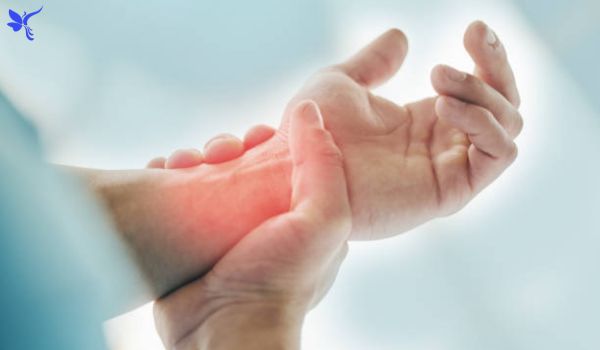
Pickleball wrist pain often comes from overuse. The consistent motion of swinging your paddle can put significant pressure on your wrist. This leads to a common overuse injury. The forceful flick of the wrist, especially in a dinking or volley motion, is often the main culprit. Think of it like a small hammer striking a nail over and over again. Eventually, the hammer handle begins to wear down. That is exactly what happens to your wrist tendons. This continuous stress can lead to tendon strain.
The stress from playing can also cause other wrist injuries. For example, improper technique can lead to micro-tears in the tendons. This can cause inflammation and swelling. These tears build up over time. They create a more serious problem. Your wrist is a complex network of bones, tendons, and ligaments. It needs care. It needs attention. We will get into that more later.
The Hidden Strain: Why the ECU Tendon is So Prone to Injury
The Extensor Carpi Ulnaris (ECU) tendon is a key player in wrist movement. It helps you turn your hand and wrist outwards. This movement is called ulnar deviation. This is a common occurrence during pickleball strokes, specifically when hitting backhands. When you repeatedly use this movement with power, you put a lot of pressure on the ECU tendon. Over time, this constant stress can lead to Extensor Carpi Ulnaris (ECU) tendinopathy. This is a painful condition. This is a frequent reason for pickleball wrist pain. Understanding this specific vulnerability is crucial. It helps you focus your efforts on the right kind of prevention.
Recognizing the Symptoms of Pickleball Wrist Pain
Recognizing the symptoms of wrist pain early is key to avoiding more serious problems. The symptoms can be subtle at first. You might feel a dull ache after a long match. Over time, that ache could turn into a sharper pain. It might hurt when you try to turn a doorknob. You might feel a snapping sensation in your wrist. It might hurt to grip your paddle tightly. These are all signs your wrist is not happy.
Other signs of wrist injuries include tenderness to the touch and inflammation and swelling. Your range of motion might feel limited. Your hand might feel weak. You might not be able to do some of your favorite shots. If you notice any of these signs, do not ignore them. This is your body’s clear sign that you should take a break. Take a break. Let’s look at the ways to help your wrist feel better.
The Importance of Mastering Proper Technique
A lot of pickleball wrist pain can be solved by simply changing how you play. Good proper technique is your best friend on the court. It is your first line of defense against wrist injuries. For instance, instead of relying on a powerful wrist flick to hit the ball, try to use your whole body. Use your hips and shoulders to generate power. This takes the load off your wrist. It allows your strong forearm muscles to do the work. This straightforward change is a crucial stride in avoiding wrist pain.
Learning the right way to hold your paddle can also help. A loose grip is a happy grip. Gripping the paddle too tightly can increase tendon strain. This can lead to more pain. Relax your hand between shots. This offers a great way to provide your wrist some much-needed rest. Focus on your form. Practice good habits. This will give you a pain-free game.
Essential Strengthening Exercises for Pain-Free Wrists
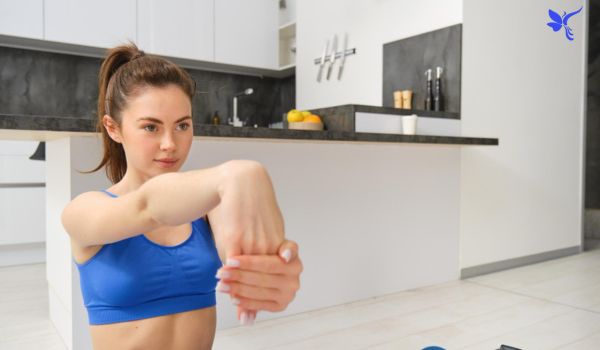
Strengthening your forearm muscles and wrist is a vital part of injury prevention. Stronger muscles provide better support for your joints. They can handle the stress of the game without getting hurt. Regularly doing wrist strengthening exercises will make a huge difference in your game and your health. They are not hard to do. You can do them at home.
Here is a list of simple but effective exercises:
- Wrist Extension: Place your forearm on a table, allowing your hand to hang over the side with your palm facing down. Hold a light weight. Slowly raise and lower your hand.
- Wrist Flexion: Repeat the movement, but this time with your hand turned upwards. Slowly raise and lower your hand.
- Wrist Rotations: Extend your arm directly out ahead of you. Slowly rotate your wrist in a circle. Go in both directions.
Make sure you do these exercises gently. Do not push through pain. Consistency is more important than heavy weight.
Targeted Stretches to Improve Wrist Flexibility and Mobility
Stretching is just as important as strengthening. Stretching techniques can help you warm up your muscles and tendons before you play. They also help with recovery after a long game. Having good wrist flexibility is crucial. It allows your wrist to handle the quick, sudden movements of pickleball without getting hurt. Stretching helps to ease tight muscles and boost blood flow throughout the region. This helps with healing.
Consider adding these simple stretches to your routine:
- Wrist Flexor Stretch: Stretch one arm forward, your palm facing up. Use your opposite hand to lightly pull your fingers down toward the ground. Hold for 15-30 seconds.
- Wrist Extensor Stretch: From the same position, turn your hand so your palm faces down. Use your other hand to gently pull your fingers toward your body. Hold for 15-30 seconds.
- Prayer Stretch: Press your palms together in front of your chest. Slowly lower your hands toward your waist, keeping your palms together. Stop when you feel a good stretch.
Choosing the Right Equipment to Prevent Wrist Strain
The right equipment can make a world of difference in preventing pickleball wrist pain. Your paddle is the most critical part of your equipment. The weight of your paddle matters. A heavier paddle can cause added strain on your wrist. A paddle that is too light might not give you enough power. This will force you to rely too heavily on a snapping wrist motion. The grip size of your paddle is also very important. An ill-fitting grip can cause you to clutch the paddle too tightly. This causes unnecessary tension. It is a good idea to try different paddles before you buy one.
Consider using a vibration dampener on your paddle. It can help reduce some of the shock. This can be very useful for pain relief. You can also use a tennis overgrip. It allows you to get a secure and comfortable hold, so your hand can stay relaxed. A relaxed hand means a relaxed wrist. A relaxed wrist means a happier player.
The Critical Role of a Proper Warm-Up and Cool-Down
Your body needs to get ready for a game. It also needs to cool down after one. A good warm-up and cool-down routine is a must. A good warm-up gets blood flowing to your muscles and tendons. This makes them more flexible. It makes them less likely to get injured. Your warm-up should include light cardio and dynamic stretches. You could do jumping jacks. You could do some wrist circles.
After your game, you should cool down. This helps your muscles recover. You should do some static stretches. Hold each stretch for a longer period. This helps reduce muscle soreness. It gets your body ready for your next game. It also helps in preventing wrist pain. So do not skip it.
Tips for Playing with Existing Pickleball Wrist Pain
If you have some pickleball wrist pain, you do not have to give up the game entirely. You just need to be smart about it. Playing with pain requires a different approach. First, listen to your body. If a shot hurts, stop doing it. Use a two-handed backhand. It takes a lot of stress off your dominant wrist. You could also try using a different grip.
You can also use a wrist brace. A reliable wrist brace offers both support and steadiness. It can help you feel more confident in your movements. It can help to reduce pain. It is not a permanent solution, but it can help. Remember, these are only temporary fixes. You still need to work on the underlying problem.
Rest and Recovery: Strategies to Heal and Overcome Pain
Rest is the most powerful tool for overcoming wrist pain. You must give your body time to heal. You can’t expect your wrist to get better if you keep stressing it. Resting for a few days or even a week can make a huge difference.
During your rest period, you can use the R.I.C.E. method.
Rest: Avoid any activity that causes pain.
Ice: Apply ice packs to the sore area for 15-20 minutes at a time. This helps to reduce swelling.
Compression: Use a compression bandage to reduce swelling.
Elevation: Keep your wrist raised above your heart when you are sitting or lying down.
This method helps speed up the healing process.
When to Seek Professional Help for Persistent Pickleball Wrist Pain

Sometimes, you need to call in the pros. If your pickleball wrist pain does not get better with rest and home care, it is time to see a doctor. They can give you a proper diagnosis. They can rule out more serious problems like a fracture. You might need physical therapy. A physical therapy specialist can create a plan to help you regain strength and range of motion. They can teach you specific exercises. They can help you get back to playing safely. Do not be afraid to ask for professional help.
Protecting Your Wrists and Preventing Future Injuries
The best way to deal with pickleball wrist pain is to prevent it from ever happening. The knowledge you have gained is your superpower. By using the right equipment, proper technique, and a smart warm-up and cool-down, you are already ahead of the game.
You are now equipped with the tools for long-term injury prevention. Regularly performing wrist strengthening exercises and stretching techniques will keep your wrists healthy. You can share your newfound knowledge with your friends on the court. You will be known as the player who plays smart.
Conclusion: Stay on the Court and Enjoy a Pain-Free Game
Overcoming pickleball wrist pain is not as hard as it seems. It just takes some knowledge and discipline. By understanding the causes of wrist pain, you can take charge. You can make simple changes to your game. These changes will protect your wrists and allow you to keep playing for many years to come. Remember that a strong body is your greatest instrument. So treat it well. Now go out there. Play smart. Enjoy your pain-free game!
FAQ
How to prevent wrist pain when playing pickleball?
To avoid wrist pain, you must use correct form and the right gear.
How to strengthen wrist for pickleball?
You can strengthen your wrist with targeted exercises. This includes wrist curls and rotations.
What is the fastest way to cure wrist pain?
The fastest way to cure wrist pain is with rest and recovery. Also, you can use the R.I.C.E. method.
How to game without wrist pain?
You can play a pain-free game by using your whole body. Do not just use your wrist.
How to wrap a wrist for pickleball?
Wrap your wrist with a flexible bandage. It should be snug, but not too tight.
Should I wear a wrist brace for pickleball?
Yes, you can wear a wrist brace. It can help provide stability and support during play.

I am Muddasir Tahir, a dedicated Lifestyle strategist and fitness expert with over 5 years of professional experience. I launched Lifestyle Dominates to serve as your primary source for building mental clarity and physical power. My goal is to give you the tools to improve your daily productivity and overall health. I focus on providing science-backed advice to help you take full control of your modern life.