

When you hit the gym, you likely have a specific vision in mind for your physique. For many, a powerful and round behind is the ultimate goal. However, building that coveted look often means focusing on an area that can be a real challenge: the lower glutes. You might not even know where to start. This is not just about aesthetics though. A strong posterior chain is vital for athletic performance and overall bodily function.
We will show you exactly how to train this area with the best lower glute exercises to achieve a sculpted look and a boost in strength. This guide will provide the knowledge you need to transform your workouts and finally see the results you have been chasing.
Medical Disclaimer
The information on Lifestyle Dominates is for informational and educational purposes only and is not intended as medical advice. Always consult with a Qualified Healthcare Professional or Certified Trainer before starting any new Exercise Program or addressing Muscle Pain
Understanding the Anatomy of the Lower Glutes
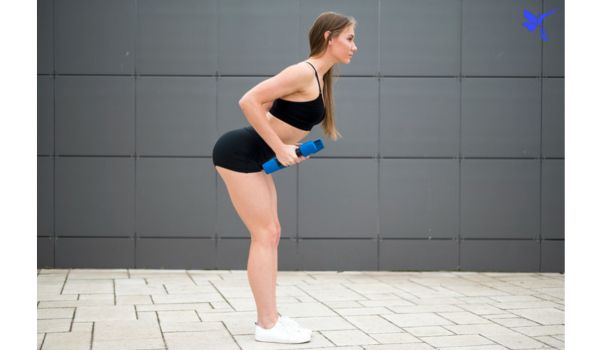
The term “lower glutes” can be confusing. Many people think it’s a separate muscle, but that’s not quite right. In reality, the “underbutt” is the lower part of your gluteus maximus, which is the largest muscle in your rear. Think of it as the muscle that sits right where your hamstring meets your glute. The hamstrings also play a big role here, as they work together with the glutes during many key movements. It’s a team effort.
If you want to sculpt and lift this area, you have to understand how these muscles connect and function. A lot of the power for movements like hip extension and rotation comes from this lower part of your gluteus maximus. Knowing this helps you better target the muscle fibers you want to grow, making your workouts way more efficient.
Why Target the Lower Glutes Specifically?
Targeting the lower glutes offers a lot more than just a great aesthetic. A strong underbutt is crucial for athletic performance, from running to jumping. It helps improve hip extension, which powers many of your favorite activities. It also gives you a more athletic and balanced physique.
By strengthening this region, you can reduce the likelihood of lower back pain and other injuries, as it provides greater support and stability. Think of your glutes as the engine for your lower body. A well-trained engine is safer and more powerful.
The Science Behind Lower Glute Activation
To get the most out of your training, you need to understand how to properly activate your lower glutes. It all comes down to the hip hinge movement. This motion, where you bend at the hips while keeping your back straight, is what really fires up the gluteus maximus.
The key is using your glutes to extend the hip, not your lower back. By focusing on proper form and squeezing your glutes at the top of each movement, you can ensure the right muscles are working. This mind-muscle connection is a game-changer for effective training.
The Top 15 Best Lower Glute Exercises to Transform Your Physique
Now for the main event. We have compiled a list of the most effective movements to help you build and tone your lower glutes. These compound exercises and isolation movements are designed to hit the posterior chain from every angle.
This collection is your roadmap to a stronger, more sculpted backside. These are the go-to movements that professionals swear by, and they form the foundation of any serious glute-building routine.
Hip Thrusts (And Their Variations)
The barbell hip thrust is the undeniable champion of glute building. It puts direct, powerful tension on the gluteus maximus, leading to incredible growth.
For a more targeted approach, try the single-leg B-stance hip thrust. This variation helps correct any muscle imbalances and forces each side to work independently. It is a fantastic way to overload the muscle without using a heavy weight.
Romanian Deadlifts (RDLs)
The Romanian deadlift, or RDL, is a foundational hip hinge exercise. You can use a barbell RDL for maximum load or a dumbbell RDL for better control.
The focus should be on a slight bend in the knees and pushing your hips back. This move is fantastic for a deep stretch and powerful contraction in the lower glutes and hamstrings.
Bulgarian Split Squats
The Bulgarian split squat is a unilateral exercise that works one leg at a time. This helps prevent strength imbalances and truly challenges your stability.
By elevating your front foot, you can increase the range of motion and hit the glutes even harder. It’s a tough but incredibly rewarding movement.
Step-Ups (With Proper Form)
Step-ups are a simple but effective tool for targeting the lower glutes. The secret is to use a high box step-up and focus on driving through the heel of your working leg.
Do not push off the back leg. This deliberate movement pattern ensures that your glutes do the majority of the work.
Donkey Kickbacks
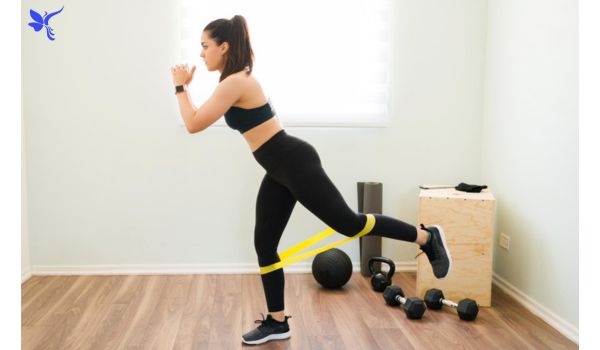
The donkey kickback is a prime isolation exercise for the gluteus maximus. You can perform it with your body weight, a resistance band for added tension, or a cable machine for consistent resistance.
Focus on a strong squeeze at the top of the movement to get a serious burn.
Glute Bridges
Do not underestimate the humble glute bridge. This exercise is ideal for both pre-workout activation and substantial training volume. The single leg glute bridge adds a stability challenge.
The glute bridge hamstring curl works both the glutes and hamstrings at once.
Lunges (Especially Reverse Lunges)
Lunges are a staple for lower body strength. However, the reverse lunge is a particularly good choice for the glutes. By stepping backward, you place more emphasis on the front leg’s glute.
The deficit reverse lunge, where you step off an elevated surface, increases the range of motion for an even deeper challenge.
Cable Pull Throughs
The cable pull through is another excellent hip hinge movement. It keeps constant tension on your glutes throughout the entire range of motion, from the stretch to the contraction.
It’s a great way to warm up for heavier lifts or as a finisher in your workout.
Lying Leg Curls & Hamstring Curls
A well-developed physique requires balanced training. Since the hamstrings assist the glutes in many movements, strengthening them is crucial.
Exercises like the Swiss ball hamstring curl and machine lying leg curl help build the strong hamstrings needed to support your glute development.
Progressive Overload: The Key to Growing Your Glutes
You can do all the best lower glute exercises in the world, but without progressive overload, you will not see results. Progressive overload simply means you must continually challenge your muscles.
This could be by lifting heavier weights, doing more reps, increasing your training volume, or even slowing down the eccentric part of a lift. This principle is the engine of muscle hypertrophy.
Optimizing Your Workout: Volume, Frequency, and Reps
Finding the right balance of training frequency, training volume, and rep range is essential. Most experts agree that training your glutes two to three times per week is ideal for muscle growth.
For a powerful underbutt workout, aim for 3-4 sets of 8-12 reps on your main lifts. Consistency is key. Listen to your body and adjust as needed. Remember, proper rest is just as important as the workout itself.
Fueling Your Gains: Nutrition for Glute Growth
Your eating habits are equally as important as your exercise routine. To build a stronger backside, you must be in a calorie surplus. This means consuming more calories than you burn.
Additionally, make sure you are getting enough protein. Protein is the building block of muscle. Aim for at least one gram of protein per pound of body weight to support muscle repair and growth after your underbutt workout.
Putting It All Together: A Sample Lower Glute Workout Routine
Here is a sample workout routine you can use to apply these principles. This plan combines the best lower glute exercises to hit your muscles from all angles.
| Exercise | Sets | Reps |
| Barbell Hip Thrust | 4 | 8 |
| Romanian Deadlift | 3 | 10 |
| Bulgarian Split Squat | 3 | 12 |
| Cable Pull Through | 3 | 15 |
| Lying Leg Curl | 3 | 15 |
Conclusion
Growing strong and sculpted lower glutes is a completely attainable goal with the right approach and consistent effort. By understanding the anatomy, using the best lower glute exercises, and following the principles of progressive overload, you can see real change. Consistency in both your training and nutrition is the secret to unlocking your full potential. Go forth and conquer your goals with this comprehensive guide.
FAQ
How do you tone an underbutt area?
Tone the underbutt area with targeted strength training exercises that focus on the lower part of the gluteus maximus, like Romanian deadlifts and hip thrusts.
What exercise hits lower glutes?
Exercises such as the Romanian Deadlift, Bulgarian Split Squat, and cable pull-throughs effectively target the lower glutes.
How to fix saggy underbutt?
Fix a saggy underbutt by focusing on muscle growth through progressive overload and compound movements.
What exercise burns buttocks?
Compound exercises like squats, lunges, and hip thrusts are highly effective for burning calories and building the glutes.
How to get rid of underbutt rolls?
Getting rid of underbutt rolls requires a combination of targeted exercises and overall body fat reduction through a caloric deficit.
Why is my underbutt so flat?
Your underbutt may be flat due to genetics or a lack of specific muscle hypertrophy in the lower part of the gluteus maximus.

Muddasir Tahir is the founder and lead researcher at Lifestyle Dominates. With a strong passion for fitness and self-improvement, Muddasir spends his time studying human movement and high-performance habits.
His goal is to provide informational topics that are easy to understand and backed by careful research. Muddasir believes that everyone has the power to improve their lifestyle by mastering the right techniques.
When he isn’t researching new ways to help people dominate their lives, he is dedicated to building a community of like-minded individuals who strive for strength and a better mindset every day.