

Dreaming of an unyielding core strength that truly shines? The hanging leg raise is indeed a gold standard, yet not everyone can conquer it immediately. Perhaps you lack a pull-up bar at home, or it simply feels too challenging right now. Do not fret! This comprehensive guide is brimming with fantastic Killer Hanging Leg Raise Alternatives You Need To Try.
We’re sharing some awesome choices made just for your tummy muscles. You will discover accessible bodyweight exercises and even beginner exercises to gently kickstart your journey. Get ready to sculpt that dream midsection and feel utterly confident in your amazing body. Let’s find your perfect core challenge today.
Medical Disclaimer
The information on Lifestyle Dominates is for informational and educational purposes only and is not intended as medical advice. Always consult with a Qualified Healthcare Professional or Certified Trainer before starting any new Exercise Program or addressing Muscle Pain
Mastering the Hanging Leg Raise: Your Ultimate Core Challenge
The hanging leg raise stands as a paramount calisthenics exercise. It is a true testament to core fortitude and a cornerstone of advanced bodyweight training. This movement profoundly engages your midsection demanding precise control for optimal benefits. Truly mastering this exercise offers not just aesthetic improvements but also fosters profound midsection stability and enhances full-body coordination.
This demanding exercise, despite its apparent simplicity, requires incredible power from your trunk. Performing it correctly ensures maximum muscle activation of your abdominal muscles and minimizes lower back strain. You can achieve impressive abdominal development through consistent practice and meticulous proper form.
Unpacking the Core: Primary Muscles Worked by Hanging Leg Raises
To truly understand the power of the hanging leg raise, we must dissect its primary movers. The rectus abdominis, often lauded as the “six-pack” muscle, bears the brunt of the load. This muscle curls your spine for that signature lift. This muscle is really important for bending your spine. It also helps keep your abdominal tension strong and steady.
Moreover, the mighty hip flexors, a collective including the often-overlooked iliopsoas group, play an indispensable role. These muscles targeted powerfully elevate your legs, initiating the movement and contributing significantly to the challenge. They are essential for every repetition.
Beyond the Primary: Secondary Muscles Engaged in Hanging Leg Raises
Beyond the main players, several unsung heroes contribute to the hanging leg raise. Your external obliques along your sides provide vital rotational stability. They prevent unwanted sway during execution and help sculpt a well-defined waistline. These muscles are really important when you bend to the side.
Furthermore, stabilizing forces from your quadriceps ensure your legs remain straight and controlled. Even your forearm and grip strength muscles get a workout simply by maintaining your hold on the pull-up bar, making it a more comprehensive exercise than often perceived.
Perfecting Your Form: How to Execute Hanging Leg Raises Safely and Effectively
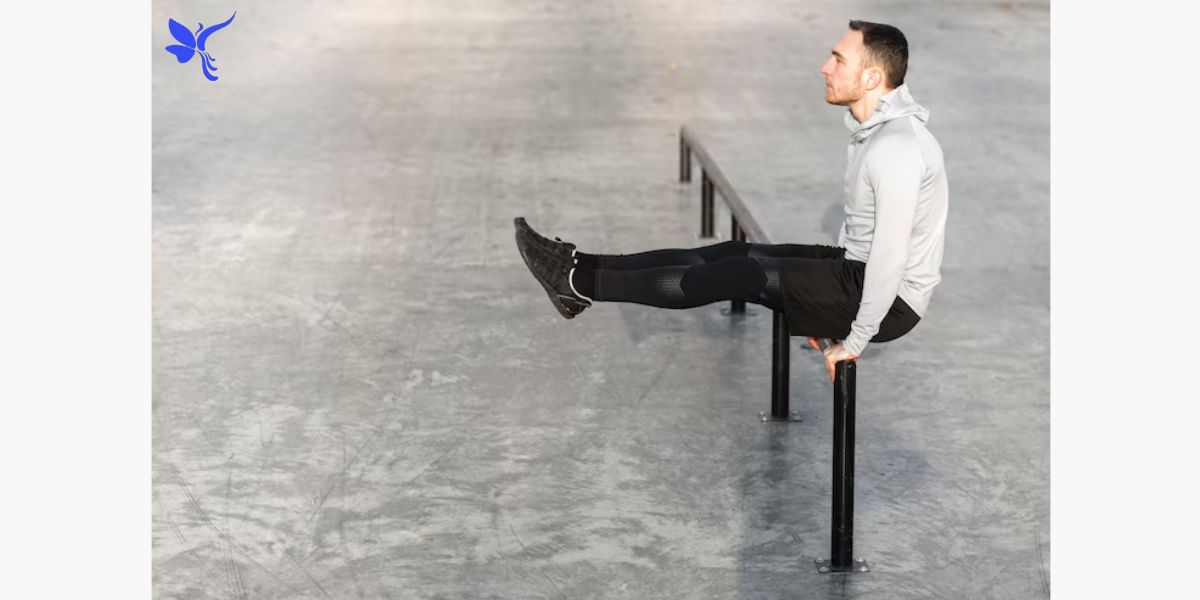
Achieving peak results from the hanging leg raise hinges entirely upon impeccable proper form. Begin by securing a firm grip on a pull-up bar, ensuring your body hangs in a controlled dead hang. This initial position is crucial for proper core engagement.
Initiate the movement pattern by engaging your core and slowly lifting your legs, aiming for a 90-degree angle between your torso and legs. Resist the temptation to swing or use momentum for this will only rob your ab gains. Control the descent with equal precision.
Taking it Further: Advanced Hanging Leg Raise Variations to Boost Your Strength
Once you master the basic hanging leg raise, many exciting exercise variations are ready to challenge you further. Begin with Hanging Knee Raises for a progressive start or leap to Toes-To-Bar for a profound, full-range core activation. These moves elevate your training.
You can try cool twisting exercises such as Hanging Windshield Wipers. These really need immense oblique strength and great control. Alternatively, the isometric Hanging L-Sit Hold will test your sustained core endurance to its absolute limits, forging an unyielding midsection.
Why Look for Alternatives? The Benefits of Diversifying Your Core Workout
Life often presents limitations. Perhaps a pull-up bar isn’t always at hand, or the hanging leg raise remains just out of reach. Perhaps you are a beginner on your fitness odyssey or simply crave novelty in your workout routine. Diversification fuels progress.
Discovering Killer Hanging Leg Raise Alternatives You Need To Try offers numerous advantages. They can target your muscles from unique angles, shatter frustrating plateaus, and keep your core journey exciting and productive. Mixing up your core exercises really keeps your progress going strong.
Sometimes, physical discomfort like wrist pain can make hanging leg raises difficult. Luckily, many Killer Hanging Leg Raise Alternatives You Need To Try avoid wrist pressure.
The Best Hanging Leg Raise Alternatives: Bodyweight Options You Can Do Anywhere
Prepare to unlock a treasury of core exercises requiring absolutely no specialized apparatus. The humble Lying Leg Raises provide a superb foundational challenge, gradually building the strength needed for more advanced exercises. It is accessible to everyone.
Next, master Reverse Crunches, which hone in on your elusive lower abs. Embrace dynamic movements like V-Ups for comprehensive core engagement, Flutter Kicks for a burning sensation, or Bicycle Crunches to incinerate your obliques. These are truly Killer Hanging Leg Raise Alternatives You Need To Try.
Leveraging Equipment: Cable, Incline Bench, and Stability Ball Alternatives
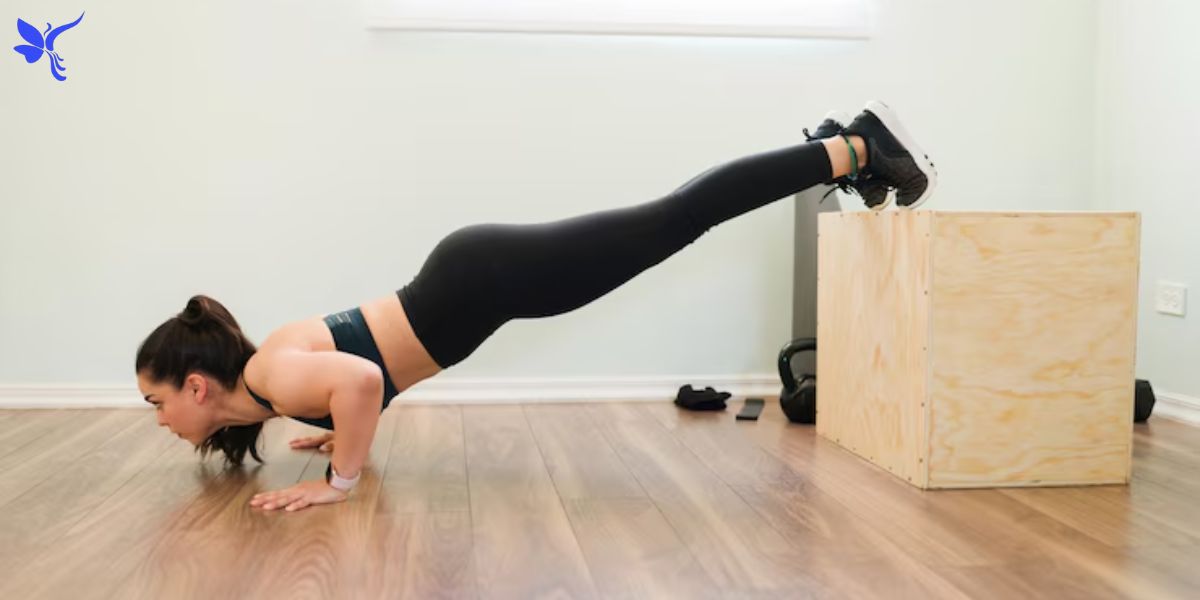
For those with gym access, specific equipment can amplify your core training. The Incline Bench Leg Raises offer a unique angle of attack, increasing the range of motion and resistance. It is a fantastic stepping stone to more advanced exercises.
Consider the focused tension provided by Cable Lying Leg Raises, ensuring consistent resistance throughout the movement. Furthermore, Stability Ball Tucks or pikes introduce an element of instability, supercharging your core engagement and balance simultaneously.
Advanced Alternatives for the Ultimate Core Challenge: Dragon Flags and Suspension Training
For the truly audacious, prepare for advanced exercises that will push your core to its absolute zenith. The legendary Dragon Flags, a full-body anti-extension movement pattern popularized by martial Lee, demands full-body tension and extraordinary strength. This really shows amazing power.
Embrace the dynamic instability of TRX Knee Tucks or similar suspension straps movements. These advanced Killer Hanging Leg Raise Alternatives You Need To Try force your core to stabilize against gravity and pendulum forces, forging unparalleled strength and control.
Targeting Your Obliques: Side-Focused Hanging Leg Raise Alternatives
To sculpt a truly comprehensive midsection, you must not neglect your powerful obliques. Incorporate floor-based Oblique Crunches to isolate these lateral abdominal muscles, carving out that desired V-taper. Consistency with these muscle activation movements brings visible results.
For an elevated challenge, progress to Hanging Oblique Crunches on a pull-up bar. These movements vigorously engage your side abs while also enhancing your grip strength. Prepare for a deep, satisfying burn that defines your waistline.
Sculpting Killer Abs: Combining Alternatives for Maximum Midsection Definition

The secret to a truly defined midsection lies in strategic variety and intelligent programming. Integrate a medley of bodyweight exercises, equipment-assisted, and advanced exercises into a holistic core regimen. This comprehensive approach ensures no muscle fiber is overlooked.
Focus on progressive overload and unwavering consistency. A well-designed regimen utilizing Killer Hanging Leg Raise Alternatives You Need To Try will systematically challenge your abdominal muscles, paving the way for the chiseled, resilient core you’ve always desired.
You can even hold a light dumbbell for certain bodyweight exercises to increase the difficulty.
Essential Gear: What Equipment Do You Need for Hanging Leg Raises and Their Alternatives?
For the foundational hanging leg raise, a robust pull-up bar is your primary requirement. This is a common fixture in most gyms or homes. However, many of the compelling alternatives presented demand absolutely no specialized equipment whatsoever.
For enhanced training, consider optional gear such as a comfortable yoga mat, an incline bench, ankle straps for a cable machine, a stability ball for added challenge, and versatile suspension straps. These tools open up new ways to build a stronger core.
Conclusion
Building a strong, great-looking core takes time and steady effort, not just quick fixes. You will keep growing by facing new challenges and smartly changing your workouts. Whether you are a beginner exercises enthusiast or a seasoned fitness expert, the world of Killer Hanging Leg Raise Alternatives You Need To Try offers endless possibilities.
Experiment with these powerful exercises, discover what ignites your core, and commit to consistent effort. Remember, the path to a strong, resilient midsection is paved with dedication and the strategic inclusion of these dynamic alternatives. You’re on your way to amazing results. Enjoy every step as you strengthen your core!
FAQ
What is a good substitute for hanging leg raises?
A good substitute for hanging leg raises includes Lying Leg Raises, Reverse Crunches, and V-Ups. These effectively target your abdominal muscles.
What if I can’t do hanging leg raises?
Do not worry if you cannot do hanging leg raises yet. Focus on beginner exercises like Hanging Knee Raises or seated leg lifts to build your core strength.
How to do hanging leg raises without a bar?
You can simulate hanging leg raises without a pull-up bar using lying leg raises or incline bench leg raises. These options target similar muscles.
What is an alternative to captain’s chair leg raises?
An excellent alternative to captain’s chair leg raises is the seated knee tuck or even TRX Knee Tucks. Both work your hip flexors and lower abs.
What are the disadvantages of hanging leg raises?
Hanging leg raises can be challenging for beginners and require a pull-up bar. They also demand significant grip strength which might limit repetitions.
What can weak hip flexors cause?
Weak hip flexors can cause lower back strain and hinder your ability to perform movements like leg raises. These muscles are super important for keeping your core steady. They also help you lift your legs easily.

Muddasir Tahir is the founder and lead researcher at Lifestyle Dominates. With a strong passion for fitness and self-improvement, Muddasir spends his time studying human movement and high-performance habits.
His goal is to provide informational topics that are easy to understand and backed by careful research. Muddasir believes that everyone has the power to improve their lifestyle by mastering the right techniques.
When he isn’t researching new ways to help people dominate their lives, he is dedicated to building a community of like-minded individuals who strive for strength and a better mindset every day.
I relish, lead too I discovered just what I was having a look for.
You’ve ended my 4 day lengthy hunt! God Bless you man.
Have a nice day. Bye
Thank You Very Much.
Keep Visiting our site for informational content that really helps you feel confident in everyday life.
Hi to every one, it’s truly a fastidious for me to pay a quick visit this site,
it inchludes valuable Information.
Thank You Very Much. Keep visiting site for valuable content that really helps your lifestyle dominate.