

How to avoid elbow pain on skull crushers? Unlocking maximum triceps development often involves powerful skull crushers, yet for many weightlifters, this highly effective exercise is marred by persistent elbow pain. This common predicament leaves fitness enthusiasts seeking solutions to discomfort that hinders their progress. Understanding the root causes of this joint stress is crucial for transforming your training.
This guide provides actionable insights and practical strategies to mitigate elbow pain on skull crushers, ensuring you can pursue muscle size and arm strength safely and effectively. You will discover how to overcome limitations and maintain peak performance.
Unveiling the Power of Skull Crushers
Elbow Pain on Skull Crushers? You might wonder why skull crushers are so highly regarded. This exercise offers incredible isolation for your triceps. It allows for a deep stretch, which is crucial for stimulating muscle growth. Many bodybuilding experts consider it indispensable for achieving peak triceps development. It’s a direct hit on your upper arms.
Biomechanics Unpacked
Your upper arm bone, called the Humerus, stays mostly fixed while you do skull crushers. The primary movement occurs at the Elbow Joint. Your triceps contract to extend the forearm. This precise movement, when done improperly, can lead to Joint Stress. The path of the bar, or Bar Path, is critical for distributing force safely.
Common Culprits: Why Your Elbows Hurt During Skull Crushers
Why do you face Elbow Pain on Skull Crushers? Many people often feel elbow pain either while doing skull crushers or shortly afterwards. Several factors contribute to this discomfort. Understanding these root causes empowers you to address them directly. The key is not just that your elbows hurt, but understanding the exact reason for the discomfort.
You might be surprised by how subtle issues can lead to significant problems. From slight adjustments in your Hand Position to the total Weight Load you’re using, many elements play a role. Pinpointing these common culprits is the first step towards achieving pain-free triceps development.
The Critical Role of Improper Form and Technique
Improper Form is arguably the leading cause of elbow pain in this specific triceps exercise. When your technique falters, the Elbow Joint bears excessive strain. This happens because the force isn’t distributed correctly through the muscle. You end up putting undue pressure on tendons and ligaments.
Correcting your form might feel tedious initially, but it is absolutely vital for long-term Joint Health. Small adjustments can make a profound difference in protecting your elbows. Learning to execute skull crushers flawlessly is a cornerstone of Preventative Measures against elbow pain.
Form Breakdown: The Hidden Enemy
Specific errors in form frequently lead to elbow pain during skull crushers. Flaring your elbows out wide places undue stress on the inner elbow. Allowing the weight to drop too fast during the Eccentric Phase creates jarring impact. Similarly, an inconsistent Bar Path can unevenly load the Elbow Joint, leading to Tendon Stress.
Mastering the Movement
To master skull crushers, focus on keeping your elbows tucked in and pointing towards the ceiling. Keep the weight under strict command for the whole exercise, especially when you bring it down. Make certain the Bar Path leads right to or just behind your head. This optimal Elbow Alignment reduces dangerous Joint Stress.
Overloading and Repetitive Stress: The Weight and Volume Equation
Using a Weight Load that is too heavy, which we call Overloading, often leads straight to elbow pain on skull crushers. Your tendons and ligaments aren’t designed to handle loads that your muscles aren’t yet strong enough to control properly. This can lead to micro-tears and inflammation over time, resulting in Overuse Injuries.
Additionally, high volume, or Repetitive Stress, without adequate recovery can cause persistent elbow pain on skull crushers. Your body needs time to repair and adapt. Constantly pushing limits without sufficient rest breaks down tissues. This is a common pitfall for many weightlifters seeking rapid muscle size gains.
The Perils of Excessive Load
Many fitness enthusiasts make the mistake of prioritizing ego over proper execution. When the Weight Load for your skull crushers is too much, your body begins to find alternative ways to lift it. This Joint Compensation shifts stress away from the triceps and directly onto the sensitive Elbow Joint. This can quickly lead to painful Tendon Stress.
Volume Versus Recovery
Striking the right balance between training volume and rest is crucial. Performing too many sets or repetitions of skull crushers can lead to Overuse Injuries. Your muscles and connective tissues need time to recover and rebuild. Ignoring Recovery Options often results in chronic elbow pain.
Equipment Matters: Bar Type, Grip, and Machine Considerations
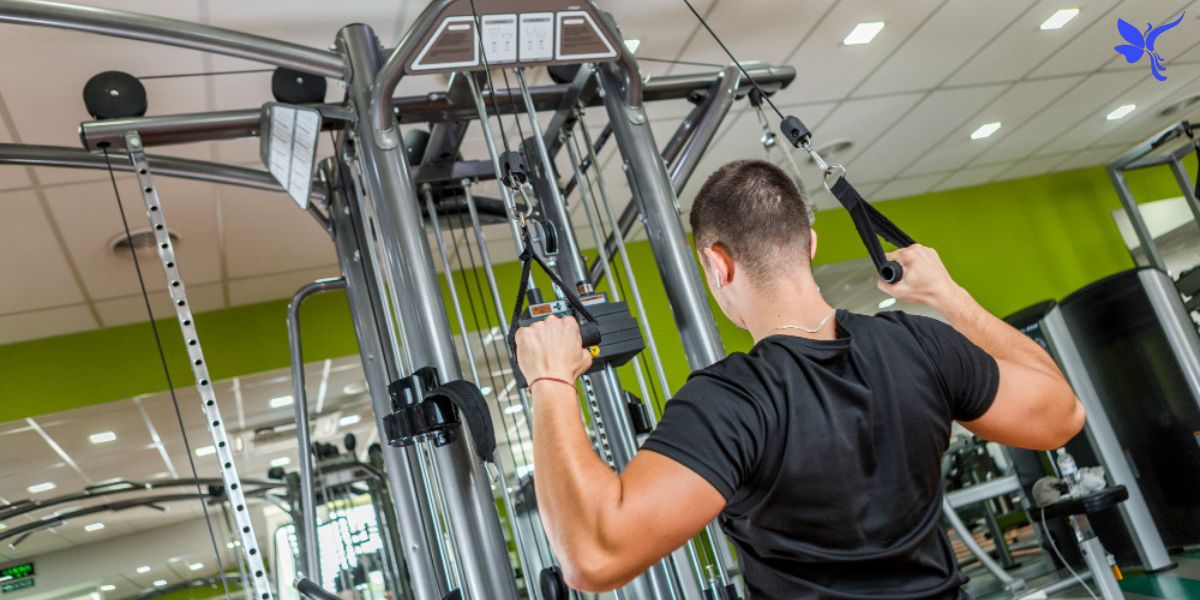
The equipment you choose significantly impacts elbow pain when performing skull crushers. Different bar types offer varied ergonomics. Your Grip Style also dictates how forces are distributed through your wrists and elbows. Making informed choices here can be a game-changer for your Joint Health.
Consider the Resistance Type as well. While Barbell variations are popular, other Resistance Type options might be more suitable. Machine Options or Cable Machines can offer a smoother, more controlled movement. These considerations are vital for mitigating elbow pain on skull crushers.
Straight Bar vs. EZ Bar
The straight Barbell often forces your wrists into an uncomfortable position during skull crushers. This can translate directly into Elbow Joint discomfort. An EZ Curl Bar offers a more natural, semi-supinated grip, significantly reducing Wrist Stability demands and Tendon Tension on the elbows. A Swiss Bar can also provide a Neutral Grip option.
Grip Dynamics
Your Hand Position and Grip Style profoundly affect elbow pain. An Overhand Grip with a straight bar might be too demanding for some. Experiment with a slightly wider Wide Grip or even an Underhand Grip (reverse grip skull crushers) to see what feels best. A Neutral Grip is often the most forgiving, provided by an EZ Curl Bar or Dumbbells.
Machine Variations
Beyond free weights, Cable Machines and the Smith Machine offer controlled environments. A Cable Tricep Pushdown performed with an overhead attachment or a Machine Tricep Extension can isolate the triceps without the same free-weight stabilization demands. These can be excellent Exercise Alternatives if elbow pain persists with barbells.
Overly Extended Wrists and Wrist Stability: Overlooked Contributors
You might not immediately connect your wrists to elbow pain, but they are intimately linked. If your Wrist Stability is compromised, your forearm muscles work harder. This extra strain can travel up the arm, manifesting as elbow pain on skull crushers. It’s a common oversight among weightlifters.
Maintaining a neutral wrist position is paramount. When your wrists are overly extended or flexed, it creates an unfavorable lever arm. This increases Tendon Tension around the Elbow Joint. Focusing on wrist health can be a surprisingly effective Preventative Measure against discomfort.
The Wrist-Elbow Connection
Poor Wrist Stability can cause muscles like the Forearm Extensors and Forearm Flexors to become Restricted Muscles. This tension then transfers to their attachment points around the elbow, leading to conditions such as Tennis Elbow or Golfer’s Elbow. Always ensure your wrists are relatively straight during the movement. This can contribute to elbow pain on skull crushers.
Bolstering Wrist Health
To improve Wrist Stability, consider incorporating specific exercises into your Workout Program. Wrist curls and reverse wrist curls strengthen the Forearm Extensors and Forearm Flexors. Some fitness enthusiasts also find benefit from Wrist Wraps during heavy lifts. This proactive approach helps mitigate elbow pain.
Optimizing Elbow Position and Range of Motion for Joint Health
Achieving the correct Elbow Alignment is foundational to performing skull crushers safely. Your elbows should remain relatively fixed and pointing towards the ceiling throughout the lift. Any flaring or excessive movement introduces unnecessary Joint Stress. This attention to detail protects you.
Furthermore, selecting an appropriate Range of Motion is crucial. Pushing too far into a deep stretch might feel beneficial for Muscle Size, but it can severely overstress the Elbow Joint. Tailoring your depth to your body’s current capabilities is a smart Preventative Measure.
The Ideal Elbow Angle
During the Eccentric Phase of skull crushers, your Elbow Bend should be controlled. Aim for your forearms to be parallel to the floor at the bottom of the movement. Avoid letting your elbows drift too far backward or outward. This consistent Elbow Alignment minimizes strain and reduces Tendon Stress.
Smart Range of Motion
Not every athlete needs to bring the bar directly to their forehead or behind their head. If a full Range of Motion causes elbow pain, reduce it. Stop just before the point of discomfort. Prioritizing Joint Health over maximal stretch ensures you can continue training for long-term triceps development.
Proactive Measures: Essential Preventative Strategies

Preventing elbow pain on skull crushers is far easier than treating it. Implementing proactive strategies into your Workout Program can make a profound difference. These measures focus on preparing your body for the demands of the exercise, building resilience, and fostering overall Joint Health.
Think of these strategies as an investment in your long-term fitness journey. They help ensure you can continue to effectively perform triceps exercise routines. You can avoid many of the common pitfalls that lead to debilitating elbow pain.
Dynamic Warm-ups for Elbows
Never skip a proper warm-up, especially for focused movements like skull crushers. Incorporate Warm-up Routines that specifically target the Elbow Joint and surrounding muscles. Light Elbow Flexion and extension movements, arm circles, and gentle stretches prepare your tendons and ligaments. This increases Pliable Muscles.
Strengthening Supporting Muscles
Beyond direct triceps work, strengthening the muscles that support your Elbow Joint is vital. Focus on your Rotator Cuff and Forearm Flexors and Extensors. Exercises like wrist curls, reverse wrist curls, and Band Back Flys can improve stability. This reduces Joint Compensation during Triceps Exercise.
Integrating Elbow-Friendly Modifications for Pain-Free Execution
Minor adjustments to your skull crushers occasionally bring a lot of comfort from elbow pain. These aren’t about avoiding the exercise entirely but adapting it to your body’s needs. These adjustments allow you to keep this effective triceps exercise in your routine.
It’s about understanding your body’s unique mechanics and limitations. You can continue to pursue triceps development without constant discomfort. These thoughtful changes are essential Preventative Measures for sustained progress.
Small Changes, Big Impact
Consider altering your Grip Style. A Neutral Grip with Dumbbell Skull Crushers often feels better than a Barbell for many. Slightly adjusting your Elbow Alignment can also redistribute Tendon Stress. Even a minor tweak to your Hand Position can ease elbow pain.
Tempo and Control
Executing skull crushers with a slow, controlled tempo is paramount. Focus on the Eccentric Phase, lowering the weight slowly. Avoid using momentum or letting gravity do the work. This deliberate control reduces jarring impacts on the Elbow Joint and ensures your triceps are performing the work, not your connective tissues.
Effective Alternative Exercises for Triceps Development
If elbow pain on skull crushers persists despite modifications, explore other Exercise Alternatives for your triceps. There are many effective movements that can still provide excellent triceps development without directly replicating the same stress patterns on the Elbow Joint. You don’t have to sacrifice your gains.
Variety in your Workout Program Structure is also a great strategy for preventing Overuse Injuries. Regularly rotating exercises can give your joints a break. This approach promotes balanced arm strength and reduces the likelihood of chronic elbow pain.
Triceps Alternatives
Several exercises can effectively target your triceps while potentially being gentler on your elbows. Consider Overhead Triceps Extensions with a single dumbbell or Cable Kickbacks. The Close-Grip Bench Press also works the triceps heavily with less direct elbow isolation. The Machine Tricep Extension offers consistent resistance.
Building a Balanced Routine
A well-rounded Workout Program includes a variety of triceps exercise movements. Incorporate different angles and Resistance Type variations. For example, alternate between Cable Tricep Pushdown, Dumbbell Skull Crushers, and Close-Grip Bench Press. This diversified approach ensures comprehensive triceps development and mitigates elbow pain.
Assessing Your Elbow Health and Identifying Pain Triggers
Knowing your own body well is vital for handling elbow pain. You need to become an active participant in assessing your Elbow Health. Learning to identify specific Pain Management triggers allows you to make informed decisions about your training. This proactive approach empowers you.
Pain acts as your body’s warning sign. Overlooking this signal might cause more severe health issues. By carefully observing when and how your elbow pain arises, you gain valuable insights into its Underlying Causes. This awareness is crucial for Preventative Measures.
Self-Assessment Techniques
Pay close attention to your Elbow Joint during and after different triceps exercise variations. Note when elbow pain starts, its intensity, and what movements worsen it. Does it feel like Muscle Stiffness or a sharp Tendon Tension? Gentle Elbow Flexion and extension outside of exercise can also reveal areas of discomfort.
Journaling Your Workouts
Keeping a detailed workout journal is an invaluable tool for identifying Pain Triggers. Record the exercise, Weight Load, reps, sets, and any elbow pain experienced. Over time, patterns might emerge linking specific Weight Load or Grip Style to your discomfort. This data supports effective Workout Program Structure adjustments.
Common Injuries That Cause Elbow Pain During Skull Crushers
While elbow pain from skull crushers often stems from Overuse Injuries or Improper Form, sometimes it indicates a more specific condition. Recognizing these common injuries is vital for seeking appropriate care. Ignoring symptoms can prolong your recovery and hinder triceps development.
Knowing the difference between general soreness and a genuine injury is crucial. This section provides an overview of typical conditions associated with elbow pain. You can then make informed decisions about your Recovery Options and when to seek Professional Evaluation.
Understanding Specific Conditions
Various health issues can lead to elbow pain on skull crushers. For instance, Triceps Tendonitis means the triceps tendon, where it attaches to the Humerus, becomes inflamed. Golfer’s Elbow (medial epicondylitis) affects the inner elbow, while Tennis Elbow (lateral epicondylitis) impacts the outer elbow, often due to Forearm Flexors or Extensors strain. Brachioradialis Tendonitis, Distal Bicep Tendonitis, and Brachialis Tendonitis can also cause referred pain.
Differentiating Pain
General Muscle Stiffness or soreness from a challenging triceps exercise typically resolves within a day or two. However, persistent, sharp elbow pain, swelling, warmth, or limited Range of Motion indicates a more serious issue. If pain restricts normal daily activities or lasts longer than a few days, it’s time for Professional Evaluation.
Immediate Actions and What Not to Do When Experiencing Elbow Pain
When elbow pain suddenly occurs during skull crushers, how you react right away is extremely important. Knowing what to do, and more importantly, what not to do, can significantly impact your Recovery Options. Timely and appropriate action can prevent a minor discomfort from becoming a chronic problem.
Resist the urge to push through the pain. This mindset often exacerbates the injury. Instead, focus on providing your Elbow Joint the immediate care it needs. Your dedication to Joint Health now will pay dividends in your long-term triceps development.
First Response Protocol
If you feel elbow pain during skull crushers, stop the exercise immediately. Apply the R.I.C.E. principles: Rest the affected arm, Ice the area to reduce inflammation, apply Compression with an Elbow Sleeves or light wrap, and Elevate your arm if swelling is present. Over-the-counter pain relievers can also provide temporary Pain Management.
Avoiding Common Mistakes
Do not continue training through significant elbow pain. This only worsens Overuse Injuries and delays recovery. Avoid Stretching the painful area aggressively, as this can irritate inflamed tendons. Also, refrain from deep tissue massage directly on acutely painful spots without Professional Evaluation. Give your Elbow Joint time to heal properly.
Treatment and Recovery Options for Persistent Elbow Pain

If your elbow pain on skull crushers persists, it’s time to explore dedicated Recovery Options. This might involve various non-invasive treatments or, in some cases, professional intervention. A structured approach to healing ensures you get back to your Workout Program safely and effectively.
Your commitment to the recovery process is as important as your dedication to training. Patience and adherence to recommended treatments are crucial for long-term Joint Health. You are capable of conquering lasting elbow pain and getting back to your triceps development aims.
Non-Invasive Approaches
For persistent elbow pain, continued rest and consistent icing are paramount. Consider wearing Elbow Sleeves or an Elbow Braces during daily activities to provide support and compression. Gentle Mobility Work and Stretching can help maintain Pliable Muscles but should not cause pain. Self-Myofascial Release (SMR) using a foam roller or ball can address surrounding Restricted Muscles.
When to Seek Professional Help
If elbow pain is severe, lasts more than a few weeks, or significantly impacts your daily life, seek Professional Evaluation. A Physical Therapy specialist can properly diagnose Underlying Causes like Triceps Tendonitis, Golfer’s Elbow, or Tennis Elbow. They are able to create a personalized Rehabilitation Exercises plan just for you.
Rehabilitation Exercises
A qualified Physical Therapy professional will guide you through specific Rehabilitation Exercises. These might include isometric holds, Eccentric Loading exercises for Tendon Stress relief, and Progressive Strengthening of the Forearm Extensors and Forearm Flexors. The goal is to gradually restore Arm Strength and Mobility Improvement to the Elbow Joint.
Designing a Smart Workout Program to Protect Your Elbows
A well-structured Workout Program is your best defense against elbow pain on skull crushers. It incorporates Preventative Measures and smart training principles. This approach ensures your triceps development continues without compromising your Joint Health. You are building for the long run.
Think about Progressive Overload not just in terms of weight, but also in terms of proper form and technique. A thoughtful Workout Program Structure minimizes Overuse Injuries and supports sustainable gains. It allows you to train effectively as an athlete for years to come.
Periodization for Joint Health
Incorporate periodization into your Workout Program. This involves varying training intensity and volume over cycles. For instance, have periods of higher intensity followed by deload weeks. This strategic approach gives your Elbow Joint ample time to recover and adapt, preventing chronic Overuse Injuries and the onset of elbow pain.
Incorporating Accessory Work
Beyond primary triceps exercise movements, include accessory work that strengthens supporting muscles. Exercises for the Rotator Cuff, Forearm Extensors, and Forearm Flexors enhance overall Arm Strength and Stability around the Elbow Joint. This holistic approach minimizes Joint Compensation during skull crushers.
Listening to Your Body
This is perhaps the most crucial Preventative Measure. Pay close attention to any signals of elbow pain or discomfort. If an exercise causes persistent pain, modify it or choose Exercise Alternatives. Rest when needed, prioritize Recovery Options, and understand that pushing through pain is a recipe for Overuse Injuries. Your body knows best.
Conclusion: Prioritizing Joint Health for Long-Term Gains and avoid elbow pain on skull crushers
You now possess a comprehensive understanding of elbow pain on skull crushers. This detailed knowledge empowers you to train smarter, not just harder. By implementing the Preventative Measures and recovery strategies discussed, you can achieve impressive triceps development without sacrificing your crucial Joint Health and help you stay away from elbow pain on skull crushers.
Remember, sustainable strength is built on a foundation of proper form, intelligent programming, and unwavering attention to your body’s signals. Prioritize your Elbow Joint wellbeing, and you will unlock long-term gains, enjoying a strong, pain-free fitness journey for years to come. You are ready to conquer your training goals.
FAQ
Should you flare your elbows on skull crushers?
No, flaring your elbows widely during skull crushers is generally discouraged as it significantly increases joint stress on your elbows and can lead to elbow pain.
How to fix elbow pain while doing triceps?
To fix elbow pain during triceps exercises, focus on improper form correction, reduce Weight Load, implement proper Warm-up Routines, and consider Exercise Alternatives that are gentler on your Elbow Joint.
How long does it take for lifters elbow to heal?
The healing time for “lifters elbow,” often a form of Triceps Tendonitis or Golfer’s Elbow, varies greatly depending on severity, but mild cases may improve in a few weeks with rest and Physical Therapy.
How to fix elbow tendonitis?
Fixing elbow tendonitis involves rest, ice, Mobility Work, Rehabilitation Exercises guided by Physical Therapy, and avoiding activities that aggravate the Tendon Stress.
How to fix elbow pain during skull crushers?
To fix elbow pain during skull crushers, ensure perfect Elbow Alignment, use an EZ Curl Bar or Dumbbells for a more natural Grip Style, and prioritize controlled movement over heavy Overloading.
Is flaring elbows bad?
Yes, flaring elbows is generally considered bad practice, especially during pressing or extension movements, as it places excessive and unnatural Joint Stress on the Elbow Joint and surrounding tendons.

I am Muddasir Tahir, a dedicated Lifestyle strategist and fitness expert with over 5 years of professional experience. I launched Lifestyle Dominates to serve as your primary source for building mental clarity and physical power. My goal is to give you the tools to improve your daily productivity and overall health. I focus on providing science-backed advice to help you take full control of your modern life.