

Navigating life with Ehlers-Danlos Syndrome means understanding a unique physical reality. This connective tissue disorder fundamentally alters the body’s collagen, the essential scaffolding that provides structure. The result is a cascade of challenges, primarily characterized by significant joint hypermobility and pervasive chronic pain. This underlying structural difference leads to daily experiences of instability and fatigue. However, between these very real struggles exists genuine potential for a fulfilling life. By focusing on effective pain management and strategic symptom management, you can build a foundation for resilience and discover a path toward not just surviving, but truly thriving.
What is Ehlers-Danlos Syndrome? Beyond the Basics
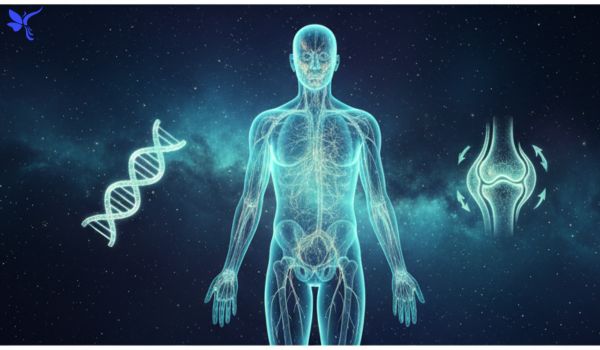
Ehlers-Danlos Syndrome is a group of heritable connective tissue disorders. Think of collagen as your body’s glue and internal scaffolding. In EDS, this scaffolding is built with faulty material. This causes the hallmark joint hypermobility and tissue fragility. Understanding this core structural issue is your first step toward management. It explains why your experience involves more than just flexible joints.
This connective tissue disorder has many types. Each type affects the body in a unique way. The hypermobile type is most common. The vascular type is serious and affects blood vessels. Knowing your specific type of Ehlers-Danlos Syndrome is crucial. It guides your treatment and helps you understand future risks.
Defining Ehlers-Danlos Syndrome and Hypermobility
Your joints possess an unusual flexibility, allowing them to bend further than what is typically considered safe or normal. This might seem fun but it leads to instability. Simple movements can cause sprains or dislocations. The real problem is faulty collagen. Collagen is a key protein that strengthens skin, bones, and tendons. When it is defective, the entire system lacks support. This is the root of Ehlers-Danlos Syndrome.
The 13 Types of EDS
There are thirteen official types of EDS. They are listed in the table below. Each form of EDS stems from a distinct genetic origin and presents a unique set of signs. This is why a correct diagnosis is so important.
| Type of EDS | Key Characteristics | Primary Concern |
| Hypermobile (hEDS) | Joint hypermobility, chronic pain | Most common type |
| Classical (cEDS) | Stretchy skin, atrophic scars | Skin fragility |
| Vascular (vEDS) | Thin skin, artery rupture risk | Serious organ/vessel complications |
| Kyphoscoliotic | Muscle weakness, scoliosis at birth | Progressive curvature of the spine |
What Causes EDS?
Ehlers-Danlos Syndrome is almost always a genetic condition. Most types are autosomal dominant. This means you only need one copy of the changed gene from a parent. Sometimes, a new mutation happens with no family history. Scientists have found genes for collagen that are different in people with EDS. These genes affect how the body builds strong tissue.
Common Symptoms Checklist
The symptoms of Ehlers-Danlos Syndrome can be wide-ranging. Many people experience chronic pain and intense fatigue. You might also notice easy bruising and slow wound healing. Other common signs include dizziness from dysautonomia and stomach problems. Here is a list of symptoms to discuss with your doctor:
- Joint pain and instability
- Daily fatigue that is overwhelming
- Skin that is soft, stretchy, or fragile
- Digestive issues like bloating and pain
- Dizziness when standing up (often POTS)
- Headaches and migraines
- Problems with proprioception (knowing where your body is in space)
Getting a Diagnosis: The Challenging Path to Answers
Many people wait years for an EDS diagnosis. This condition is often mistaken for other problems like fibromyalgia. The path starts with finding the right doctor. You need a specialist who understands connective tissue disorders. This can be a geneticist or a knowledgeable rheumatologist. They will look at your history and do a physical exam.
The process can be long and frustrating. You might feel dismissed or misunderstood. Do not give up. Keep looking for a doctor who will listen. An accurate diagnosis for your Ehlers-Danlos Syndrome is the key that unlocks proper care. It is the first step toward patient advocacy and self-management.
Who to See: Finding the Right Specialists
Building a good healthcare team is essential. Start with a geneticist for a formal diagnosis. A rheumatologist can help manage joint pain. You may also need a cardiologist to check for POTS and a gastroenterologist for stomach issues. Physical therapy is also a core part of treatment for strengthening and pain management.
The Diagnostic Criteria for hEDS
Diagnosing the hypermobile type (hEDS) is complex. There is no simple genetic test for it yet. Doctors use a strict checklist called the 2017 International Criteria. They will check your Beighton score to measure joint flexibility. They will also look for other signs like soft skin and unexplained stretch marks. This process rules out other hypermobility spectrum disorders.
Essential Genetic Testing for Other EDS Types

For other types of EDS, genetic testing can provide a clear answer. A blood or saliva test can find the changed gene for classical, vascular, and other rare types. This information is vital. It can change how you are monitored and tells you about risks for your family members.
Common Misdiagnoses
EDS is often misdiagnosed. Doctors may say you have fibromyalgia, lupus, or even a mental health issue. The symptoms overlap a lot. Chronic pain and fatigue are common in many conditions. Knowing the difference helps you advocate for the right connective tissue disorder diagnosis.
Managing Daily Life: Practical Strategies for Living with EDS
Life with Ehlers-Danlos Syndrome requires a smart holistic management approach. Chronic pain management is a daily task. It is not just about pills. It involves nervous system regulation and improving daily function. Learning to pace your energy is also key. This means balancing activity with rest to avoid crashes. This is one of the most effective fatigue management techniques.
Small changes make a big difference. Protecting your joints prevents injuries. Using bracing and assistive devices can help a lot. A shower chair saves energy. Jar openers protect your hands. These tools are not giving up. They are smart joint instability solutions that give you back your independence and improving your quality of life with chronic illness.
Pain Management Techniques: Beyond Medication
Managing pain in EDS needs a full toolbox. Pacing your activities prevents flare-ups. Physical therapy helps build supportive muscle. Many find warm water pools (aquatic therapy) very helpful. The water supports your joints so you can move safely. Also, techniques like meditation can calm your nervous system and change how you feel pain.
Combating Fatigue: Pacing Your Energy
The fatigue from EDS is deep and overwhelming. Think of your energy like a battery. You have a much smaller battery than other people. Pacing means you use that energy wisely. You take breaks before you feel totally drained. This helps you do more over your week without crashing.
Protecting Your Joints: Daily Habits
Be mindful of your joints all day. Avoid locking your knees or bending your elbows backwards. Use bigger, stronger muscles to carry things. For example, use a backpack instead of a handbag. This is a form of the human bracing technique. It means using your muscles to protect your ligaments.
Adaptive Tools and Aids for Easier Living
Welcome tools that make life easier. They help you save energy for the things you love. Here are a few bracing and assistive devices that can help:
- Electric Can Opener: Saves your wrists and hands.
- Shower Chair: Prevents falls and conserves energy.
- Button Hook: Helps with dressing if your fingers hurt.
- Compression Garments: Can improve proprioception and provide joint support.
The Role of Exercise and Movement: Moving Safely with EDS

Movement is essential medicine for Ehlers-Danlos Syndrome. The right exercise builds muscle to protect unstable joints. This is a key joint instability solution. It also improves proprioception, your body’s sense of its position. Good proprioception and EDS management helps prevent falls and injuries. But the wrong exercise can be harmful. You must focus on control, not intensity.
Following good EDS exercise guidelines is non-negotiable. The goal is a sustainable exercise routine that you can maintain for life. Strength training for hypermobility must be very careful. It should avoid heavy weights and focus on correct form. Many people find great success with methods like Functional Patterns Training, which aims for biomechanics correction.
Why Exercise is Non-Negotiable
Without exercise, muscles get weak. Weak muscles offer no support to loose joints. This leads to more pain and injuries. The right exercise acts like a natural brace for your body. It is one of the most powerful pain relief strategies available. It also helps with improving postural control, which reduces strain on your spine.
The Best Types of Exercise for Ehlers-Danlos Syndrome
Choose low-impact and controlled activities. Pilates and swimming are excellent choices. Isometric exercises are very safe. These are exercises where you tense a muscle without moving the joint. Always work with a therapist or trainer who understands hypermobility spectrum disorders.
Exercises to Avoid
You must avoid certain activities. High-impact sports like running are hard on joints. Never do heavy weightlifting. Avoid stretching into your end range of motion. For people with EDS, stretching can actually cause more instability. The goal is stability, not more flexibility.
An Introduction to Functional Patterns for EDS
Functional Patterns (FP) is a system created by Naudi Aguilar. It focuses on fixing how humans move. It looks at walking, running, standing, and throwing. For EDS, it can help retrain the body to move more efficiently and safely. This method focuses on biomechanics correction and core stability. It is a promising approach for improving daily function.
Building a Strong Support System: You Are Not Alone
An EDS diagnosis can feel isolating. But you do not have to face it alone. Talking to family and friends about your needs is hard but important. Use clear examples to help them understand. Instead of saying “I’m tired,” explain that your body uses more energy just to hold joints in place. This builds empathy.
Finding a community is powerful. Online EDS support groups on Instagram or Facebook are full of people who get it. They offer tips and emotional support. Patient advocacy groups like The Ehlers-Danlos Society provide resources. Working with a therapist can also help you handle the mental and emotional load of a chronic illness.
Communicating Your Needs with Family and Friends
Be open and honest with your loved ones. Explain that Ehlers-Danlos Syndrome is a real physical condition. Help them understand your limits. Let them know that some days are better than others. Good communication strengthens your relationships and helps them support you better.
Finding Community: The Power of EDS Support Groups
Connecting with others who have EDS is validating and helpful. You can share pain relief strategies and doctor recommendations. You can vent about bad days and celebrate small wins. This community support is a key part of holistic management. It reminds you that you are not navigating this alone.
Working with a Therapist
The stress of chronic pain is immense. A therapist can teach you coping skills. They can help you manage anxiety and grief about your health. This support is crucial for your mental well-being. It is a sign of strength to ask for help.
Advocating for Yourself
You are the expert on your own body. Learn to speak up at doctor’s appointments. Bring a list of your questions. If a treatment is not working, say so. In social situations, it is okay to say “no” to events that will cause a flare-up. Self-advocacy is a vital skill for improving your quality of life with chronic illness.
Looking Ahead: Long-Term Health and Thriving with EDS
Living with Ehlers-Danlos Syndrome is a marathon, not a sprint. Long-term health means managing co-morbidities. These are other conditions that often come with EDS. POTS (a form of dysautonomia) causes dizziness. Mast Cell Activation Syndrome (MCAS) causes allergy-like symptoms. Managing these is as important as managing the EDS itself.
Your future is still full of possibility. You may need to adapt your career or family plans. Nutrition can support your connective tissue health. Focus on protein and vitamin C. Most importantly, listen to stories of hope. Many people with EDS live full, meaningful lives. They become artists, advocates, and writers. You can too.
Monitoring and Managing Common Co-morbidities
Be aware of conditions linked to EDS. POTS affects the autonomic nervous system (ANS). MCAS can cause hives, flushing, and stomach issues. Regular check-ups with relevant specialists are important. Managing these conditions well greatly improves your daily life.
Nutrition and Diet for Supporting Connective Tissue
Food is not a cure, but it can help. Eat enough protein to support muscle health. Vitamin C is needed for your body to make collagen. Staying hydrated is very important, especially if you have POTS. Some people feel better on an anti-inflammatory diet.
Planning for the Future: Career, Family, and Life Goals
Think about flexible work options. Remote work can be a great fit. If you want a family, talk to a genetic counselor. They can explain the risks of passing EDS to your children. Your dreams are still possible. They just might need a more creative path.
Stories of Hope and Resilience
Seek out positive stories. Read books like “Navigating Life with Ehlers-Danlos Syndrome” from Connective Strength. Follow people on social media who are thriving. Their journeys show that a diagnosis does not define you. You can build a life filled with purpose and joy, even with EDS.
Conclusion
Your journey with Ehlers-Danlos Syndrome is unique. It is a path of both significant challenges and real hope. By understanding your body, using smart management strategies, and building a strong support system, you can navigate this life. Remember to celebrate your strength and practice self-compassion. You have the power to move from a life of pain to a life rich with possibility.
FAQ
Can I live a normal life with EDS?
You can live a full and meaningful life with EDS, but your “normal” will involve careful management, adapting activities, and prioritizing self-care to thrive.
What activities should EDS patients avoid?
Avoid high-impact exercises like running, heavy weightlifting, and intense stretching that pushes joints beyond a safe range, as these can cause injury.
How do you cope with Ehlers-Danlos syndrome?
Coping involves a holistic approach: pacing your energy, using adaptive tools, building a strong support team, and focusing on sustainable pain and fatigue management.
What medications should be avoided with Ehlers-Danlos syndrome?
Generally avoid fluoroquinolone antibiotics due to tendon rupture risk, and be cautious with high-impact pain medications that can mask joint instability.
Does Taylor Swift have EDS?
There is no public evidence or official confirmation that Taylor Swift has Ehlers-Danlos Syndrome; this is often based on internet speculation.
Does EDS get worse as you age?
Symptoms can evolve with age, often involving increased joint instability and chronic pain, but proactive management can significantly slow this progression.

I am Muddasir Tahir, a dedicated Lifestyle strategist and fitness expert with over 5 years of professional experience. I launched Lifestyle Dominates to serve as your primary source for building mental clarity and physical power. My goal is to give you the tools to improve your daily productivity and overall health. I focus on providing science-backed advice to help you take full control of your modern life.