

Dealing with persistent discomfort is a challenging journey. Fortunately, Bracing for Pain Management offers a powerful and effective strategy. These orthotics are not just simple accessories; they are vital assistive medical devices that provide crucial support and stability to injured or compromised areas. By limiting unwanted motion and alleviating pressure, they help you find significant pain relief.
Embracing bracing for chronic pain can be a great non-surgical option that supports the body’s natural healing process. Whether you are dealing with a minor sprain or a more severe condition, a properly fitted brace can dramatically improve your quality of life.
Understanding Braces and Orthotics for Effective Pain Management
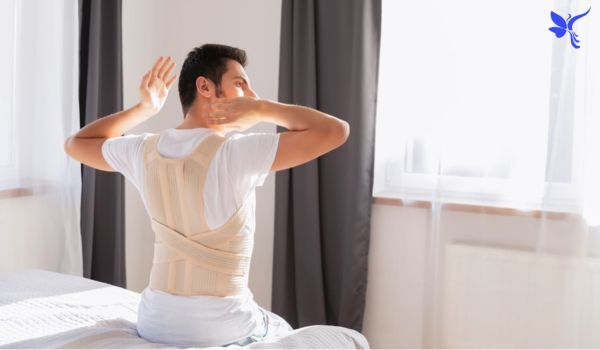
A brace or orthotic is a form of durable medical equipment, or DME, that helps your body heal or function better. They are designed to correct alignment and reduce strain. These fantastic tools give your body an anchor point for stability and joint support. This allows overworked muscles and joints to finally get some rest.
These assistive medical devices can significantly improve function after an injury. They provide a sturdy structure for areas needing extra help. For example, a doctor might recommend a brace after an ankle sprain to help you walk without fear. This is not about a quick fix but about laying a strong foundation for your long-term health. Bracing for pain management is a thoughtful and very effective approach.
The Importance and Core Benefits of Bracing
Imagine trying to build a brick wall without any mortar. It just wouldn’t hold up. Your body’s framework requires strong underpinning and balance to function correctly. Bracing gives your body this crucial support. It acts as a structural frame, reinforcing weak or injured areas and allowing them to heal without constant stress.
Bracing is truly a key component of effective pain management. It helps you stay active and engaged in life. When you feel a brace holding you together, you feel more confident. It empowers you to perform daily tasks that might have once felt impossible. This proactive approach to pain management is all about reclaiming your life from the clutches of chronic discomfort.
Key Benefits of Bracing for Pain Relief and Mobility
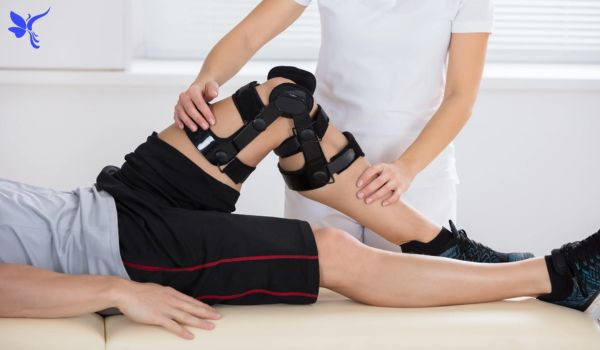
A brace can offer immediate pain relief by simply limiting the motion that causes discomfort. This is typically the first benefit people notice and enjoy. The reduced motion helps alleviate pressure on sensitive nerves and tissues. It’s like finding a small island of calm in a sea of pain. This makes everyday activities a lot more bearable.
Beyond just feeling better, bracing provides fantastic enhanced mobility. With the right joint support, you can move more freely and confidently. This is essential for a good injury recovery. A patient in a knee brace can often walk better than without one. This increased ability to move leads to a better quality of life and helps you avoid future injuries through preventative care.
Exploring Different Types of Braces and Orthotics
Braces and orthotics are available in a wide array of options. There is a device designed for almost every part of your body. Understanding the different kinds can help you talk to your doctor with more confidence. Each brace is built to target a specific area, ensuring maximum effectiveness.
Whether you need help for a minor sprain or require post-surgical support, a tailored device exists. These devices are available in a wide variety of forms. They are all made with the same goal: to help you feel better. Learning about the choices you have is the first move to securing proper assistance.
Braces for the Upper Body: Hand, Wrist, and Elbow Support
A variety of upper body braces are available to treat common conditions. For instance, a wrist and hand orthoses can be a lifesaver for someone with carpal tunnel syndrome. These devices help to immobilize a joint, giving it the rest it desperately needs. They can also aid in injury recovery after a sprain or even a fracture.
People with tendinitis in their elbow often find great relief from a tennis elbow strap. These straps work by alleviating pressure on the tendons. Another excellent example is a shoulder immobilizer. It holds the arm in a specific position to prevent movement after an injury or surgery. Using the correct upper body brace is a key part of smart pain management.
Lower Body Braces: Foot Orthoses and Ankle-Foot Orthotics (AFOs)
Lower body issues can throw your entire balance off. A foot orthoses, or a custom shoe insert, can do wonders for conditions like plantar fasciitis. These inserts gently correct alignment of your foot. They can also provide a solid foundation for dealing with problems like bunions and hammertoes.
For more significant problems, an Ankle-foot orthotic device (AFO) is a great pain relief solution. An AFO provides incredible support and stability for both the ankle and foot. This makes them ideal for individuals dealing with ankle sprains or chronic instability. The right orthotic can truly be life-changing.
Specialized Bracing for the Knee and Hip
The knee and hip are two of the body’s largest and most crucial joints. Knee braces are a fantastic non-surgical option for things like ACL tears or severe arthritis. These braces provide robust joint support, which helps you stay mobile without stressing the joint. For nerve damage, a KAFO brace can give a more extensive level of support.
Meanwhile, hip braces are often recommended for post-surgical support. They are specifically designed to protect the new joint and ensure it heals correctly. A hip brace can also be used to manage chronic hip pain and joint instability. This type of bracing for pain management provides great confidence while walking and standing.
Spinal Orthoses: Support for Back and Neck Pain
A strong spine is the pillar of your body, and a good brace can provide great support. Spinal orthoses, also known as back braces, are a lifesaver for people with conditions like scoliosis or disc problems. They help to correct alignment and alleviate pressure on the spine. Spinal orthoses are a highly effective pain management option.
Bracing for the neck is also an important topic. For instance, a soft neck collar is often useful following a whiplash injury. More rigid collars might be used after surgery or for severe neck pain to fully immobilize a joint. Bracing can offer crucial relief from chronic nerve impingement and allows the area to heal properly.
Braces vs. Splints: Choosing the Right Device
It is easy to get braces and splints confused. They both offer support and stability, yet they have very different purposes. A brace is generally more flexible and is used to provide joint support while allowing for some movement. A splint, however, is designed for complete immobilization. It often contains a rigid piece of plastic or metal.
| Device | Primary Purpose | Common Use Cases |
| Braces | Support and stability; limit motion while allowing some function | Arthritis, tendinitis, minor sprains |
| Splints | Complete immobilization; prevents all movement | Fractures, severe sprains, post-surgical care |
Choosing the right brace or splint is crucial for proper pain management. You must consult with a healthcare provider to know which one is right for your specific condition. You wouldn’t use a hammer for a screw, and the same idea applies here.
When to Use Bracing: Indications and Conditions
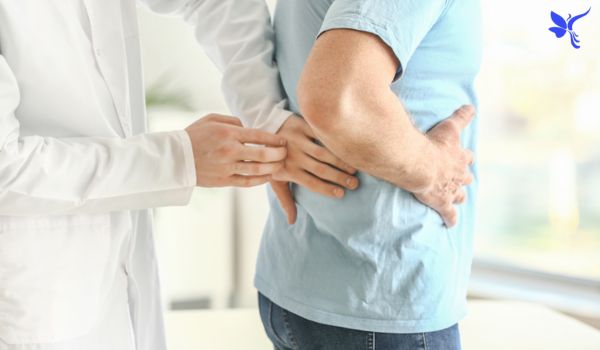
The decision of when to use bracing is a personal one, and it should always be made with your doctor. Bracing is often recommended for situations that require post-surgical support. They can also be a fantastic non-surgical option for chronic conditions like arthritis and herniated discs.
You might consider a brace if you have low back pain or a recurring muscle sprain. For example, a doctor might recommend a back brace after a strain to give your muscles time to rest. Bracing can also be used as a form of preventative care for athletes to reduce the risk of future injuries. This proactive approach to pain management is a very smart move.
Bracing and Splinting for Chronic Pain Management
Living with chronic pain is like walking on a tightrope every single day. A brace can be your safety net. Using a brace or splint long-term can offer consistent support and stability. This allows you to manage daily flare-ups and reduces the need for other interventions.
A great example is someone with recurring low back pain from sciatica. They might wear a back brace during physical activity to reduce irritation of the sciatic nerve. This integrated strategy for pain management is all about consistency. It helps you stay in control and live a more active life.
The Pros and Cons of Bracing for Pain Management
Like all treatments, there are pros and cons of bracing. A brace can offer fantastic pain relief and enhanced mobility. A patient told me a brace for her arthritis felt like “putting on a suit of armor for her joint.” It gave her back her confidence. Bracing is a powerful tool to help you improve function.
However, there are some drawbacks to consider. Using a brace too often may weaken your muscles over time. It’s like having a crutch you never want to let go of. A poorly fitted brace can also cause skin irritation and discomfort. This is why proper fitting is so incredibly important. You must use a brace as part of a larger plan that includes physical therapy.
Practical Application: Using Braces for Low Back Pain and Sprains
A well-fitted back brace can be a real gift for low back pain. It works by applying gentle pressure to the core, which helps to alleviate pressure on the lumbar spine. This kind of support and stability can make sitting or standing for long periods much more comfortable. It is a brilliant way to achieve pain relief.
For general muscle sprains or strains, using a brace for sprains is a very common practice. A basic ankle support provides just the right amount of stability for ligament recovery. It also protects the area from being re-injured. This focused support helps you to improve function without fearing every step.
Best Practices for Using Braces and Splits
Using braces and splints correctly is the secret to their success. The first step is always proper fitting. A well-fitted brace should feel snug but not too tight. It should never pinch or cut off circulation. This is especially true for devices like wrist and hand orthoses or a thumb spica.
You should also learn how to use braces for the best results. Your healthcare provider will give you a schedule for when to wear it. You must also keep the device clean. Finally, remember that these tools are a supplement, not a replacement. You must continue with your physical therapy to build strength and regain full enhanced mobility.
Conclusion
Bracing for pain management is a truly powerful strategy. These assistive medical devices, from knee braces to foot orthoses, are designed to give your body the support and stability it needs. They offer a fantastic non-surgical option for a wide range of conditions. Whether you are dealing with a simple sprain or more complex chronic pain, a brace can provide meaningful pain relief. Always remember to consult with your doctor. They can guide you to the perfect solution.
FAQ
Does bracing reduce pain?
Yes, bracing can effectively reduce pain by providing support and stability to an injured area and limiting movements that cause discomfort.
When is bracing necessary?
Bracing is often necessary for injury recovery, post-surgical support, and managing chronic pain conditions like arthritis.
How to brace yourself for pain?
You should consult a healthcare professional for a proper fitting and to receive guidance on how and when to use bracing for your specific condition.
Do braces help with chronic pain?
Yes, bracing is a key component in chronic pain management, as it provides consistent support and stability to help manage long-term conditions.
What are the pros and cons of bracing?
The pros and cons of bracing include benefits like pain relief and enhanced mobility, but potential drawbacks are muscle atrophy or skin irritation with improper use.
Is a brace good for nerve pain?
Yes, certain braces, like spinal orthoses, can be good for nerve pain by alleviating pressure on the affected nerves.

I am Muddasir Tahir, a dedicated Lifestyle strategist and fitness expert with over 5 years of professional experience. I launched Lifestyle Dominates to serve as your primary source for building mental clarity and physical power. My goal is to give you the tools to improve your daily productivity and overall health. I focus on providing science-backed advice to help you take full control of your modern life.