

Are you tired of lackluster arm gains and wish you had a guaranteed way to break through plateaus? Many dedicated lifters reach a point where their normal routine simply stops working, leaving them frustrated and searching for a solution. Today, you are discovering the ultimate secret weapon for explosive arm growth: the Bicep 21s. This brutal but brilliant 7-7-7 method is not just another exercise; it is a meticulously structured protocol.
The technique fundamentally maximizes the muscle’s load time, boosting Time Under Tension (TUT) to shock the arms into growth. By significantly increasing your arm training volume, the Bicep 21s method forces profound muscle Bicep hypertrophy. Get ready to transform your approach and achieve the bigger, more defined arms you have always wanted. This is your chance to master the best trick in the book.
What are Bicep 21s and Why Are They So Effective?
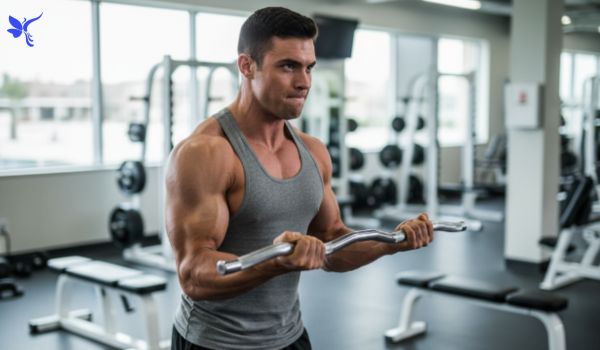
The Bicep 21s is a high-volume set consisting of three distinct phases totaling 21 non-stop repetitions. This ingenious structure forces your arm muscles to work through every possible angle of the strength curve. You are essentially completing three different isolation movements in one grueling, single superset.
This unique loading profile creates an immediate, intense, and satisfying muscle pump that feels like armor. The prolonged work against resistance dramatically increases arm training volume in a short burst of time. You attack the Bicep muscle from the stretch, the middle, and the peak, ensuring total metabolic exhaustion.
The Science Behind the Bicep 21s (Time Under Tension and Muscle Hypertrophy)
The true engine behind the legendary power of the Bicep 21s is maximizing Time Under Tension (TUT) during the set. Sustained tension forces the muscle to stay contracted for a longer period which creates massive cellular stress. This accumulation of blood and waste products strongly signals the body for muscle Bicep hypertrophy.
Think of a standard curl as lighting a quick match but the 21s is like an oven set on broil for a whole minute. This relentless intensity is crucial for forcing new muscle growth particularly in the underlying brachialis muscle. The high repetition scheme ensures maximum muscle endurance recruitment is achieved.
How to Properly Perform Bicep 21s: A Step-by-Step Guide
Proper execution is vital for safety and maximum gains so drop your ego and use a light weight. Assume a comfortable athletic stance with a traditional underhand grip on your dumbbells or barbell. Engage your core tightly and lock your elbows at your sides like powerful hinges.
You must focus on moving the weight solely with the strength of your Bicep muscles. Avoid the major form mistakes like swaying your torso or using your back to heave the weight up. The goal is tension not momentum so slow controlled repetitions will always win this muscle-building battle.
The 3 Phases of the Bicep 21s Explained (7-7-7 Breakdown)
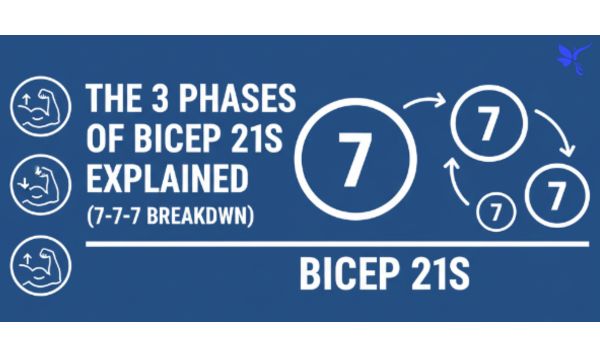
The 7-7-7 method begins with seven lower half reps moving from the bottom (full stretch) to the halfway point (90 degrees). You immediately transition to seven upper half reps moving from the halfway point to the maximum contracted position near your shoulder. Finally complete seven full range of motion reps for a decisive workout finisher.
Common Mistakes to Avoid When Doing Bicep 21s
The number one cardinal error is letting your intensity compromise your lifting technique. When deep fatigue hits people start to swing their torso and furiously avoid momentum. This swinging action steals the tension and entirely robs your Bicep of its full potential gains. You must maintain strict form throughout the brutal set of 21s.
Another frequent blunder is aggressively rushing the negative phase or eccentric portion of the lift. A controlled two or three second lowering motion is where you achieve massive strength and micro-tear creation. If you drop the weight too fast you are literally leaving incredible muscle on the table for nothing.
The Best Equipment for Bicep 21s: Dumbbells, Barbells, or Cables?
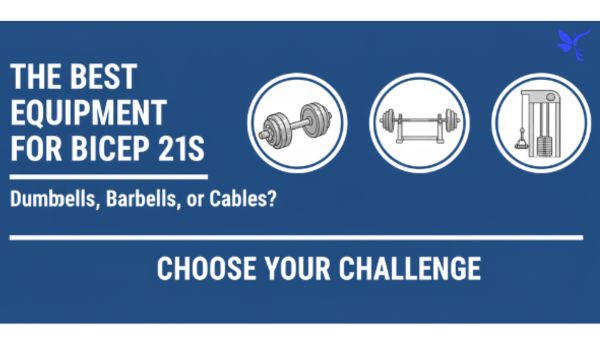
Using dumbbells for your Bicep 21s provides an excellent opportunity to correct any noticeable arm strength imbalances you may possess. The classic straight barbell allows you to handle maximum load and overload the muscle very quickly. However using an EZ bar curl significantly reduces painful wrist strain for many lifters.
The ultimate choice for maximizing the 21s effect is the cable machine because it provides a unique constant tension from the bottom to the peak contraction. This specialized benefit keeps the muscle fibers under stress even when the resistance might typically drop off. Choose cables when you want a blood pump that truly feels like your skin will burst.
Programming Bicep 21s into Your Arm Workout Routine
Most successful lifters use the Bicep 21s as an accessory exercise or an intense workout finisher at the end of their session. This strategy works like a charm for forcing maximum blood into the muscle and achieving that final state of metabolic exhaustion. Consider it your muscle-building, high-volume exclamation point.
For more advanced gym warriors you can integrate the 21s earlier in the workout to deliver a necessary shock to your system. Use it after a heavy set of pull-ups or barbell rows to increase overall arm training volume. Just remember to keep your frequency reasonable to allow for proper tissue recovery.
The Role of Weight Selection in Maximizing Bicep 21s Results
Weight selection is exactly where many lifters miss the mark completely. You are not lifting heavy you are maximizing Time Under Tension (TUT) so pick a light load you could curl about 10–12 times. This weight should make the final seven full range of motion reps feel absolutely impossible to complete.
You need to aim for a high Rate of Perceived Exertion (RPE) on this set not a simple specific weight number. Aim for a weight that allows you to hit RPE 9 or 10 on the final rep for the best Bicep muscle building results. The key to the 21s is always quality work not unchecked ego lifting.
Variation of Bicep 21s: Incline Bench, Preacher Curl, and Reverse 21s
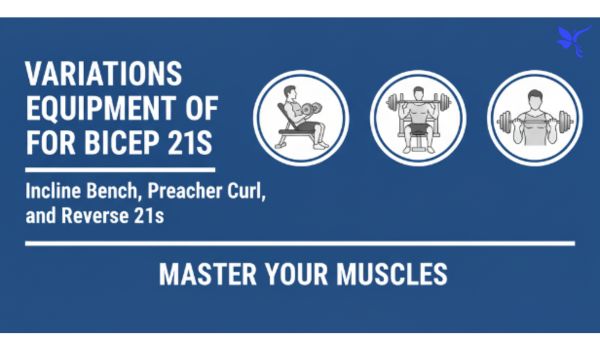
The traditional standing curl is only the convenient beginning of the Bicep 21s possibilities. Performing the set on an incline bench is an incredible curl variation that emphasizes the deep stretch on the long head of the Bicep. This specific technique strongly helps with achieving overall peak development.
You can also use the reverse 21s with an overhand grip to specifically target the brachioradialis and brachialis muscle. This variation will add critical thickness and width to your lower arm making your entire upper arm look much bigger. Try the preacher curl variation to completely remove all possibility of cheating.
Who Should Be Doing Bicep 21s? (Beginners vs. Advanced Lifters)
If you are a beginner with less than six months of consistent weight training wait a bit on the Bicep 21s. You should first focus all your energy on perfecting the standard Bicep curl and building foundational strength. Proper neurological form is your most important foundation for all future growth.
However if you are an advanced lifter looking to bust through a long-standing plateau the 21s are your perfect solution. This high-volume method provides the necessary intensity and shock your muscles desperately need to adapt and grow. Use this high-intensity technique when your body feels stubbornly stuck in a rut.
Fueling Your Bicep 21s Workout: Pre- and Post-Workout Nutrition
The sheer volume and intensity of a full Bicep 21s session absolutely requires smart nutritional fueling. Consume complex carbohydrates before your workout to ensure you have the energy stores necessary to complete all 21 painful reps. Your working muscles need that readily available glycogen fuel.
After the brutal set is complete you must quickly supply your body with fast-digesting protein and carbohydrates. This quick post-workout nutrition efficiently refuels your energy and provides the essential amino acids needed for muscle fiber repair and building. Proper recovery is exactly where the spectacular gains truly happen.
Injury Prevention and Bicep Joint Health with 21s
Due to the repetitive and high-tension nature of the 21s you must prioritize warming up your sensitive elbows and wrists. Use light arm circles and dynamic mobility drills to increase blood flow to the surrounding joints. Never attempt the Bicep 21s cold as your tendons and ligaments will unfortunately suffer.
Always utilize the controlled descent on the eccentric portion of the lift to protect your vulnerable elbow joints. If you feel any sharp sudden pain stop the set immediately and re-evaluate your weight choice. Consider using an EZ bar or cables if you have chronic discomfort with a straight barbell.
Comparing Bicep 21s to Standard Bicep Curls: What’s the Difference?
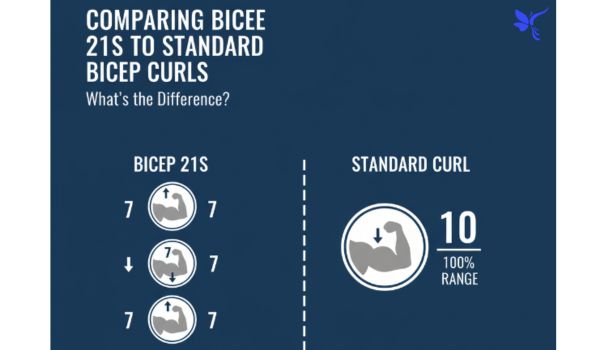
The fundamental difference lies in the strategic application of the tension curve. The standard Bicep curl has a single defined point of maximum stress usually in the middle of the movement. The partial repetitions of the Bicep 21s distribute that maximum stress evenly across all ranges.
The primary goal of the 21s is maximizing metabolic stress and incredible volume for growth not lifting the heaviest weight possible. Think of the 21s as a grueling marathon of intensity for your Bicep muscle while a heavy standard curl is a quick powerful sprint of pure strength.
Tracking Progress and Implementing Progressive Overload with Bicep 21s
Progressive overload with the 21s is a nuanced game not just about mindlessly adding five pounds every week. First you must ensure you are consistently hitting all 21 reps with impeccable, unwavering form. That accomplishment is your initial baseline standard of performance.
Once you master the form you can track progress by either increasing the weight by the smallest amount or reducing the rest time between your sets. You can also transition to a more challenging curl variation like the incline bench to ensure constant muscular adaptation.
Bicep 21s for Maximum Peak and Overall Bicep Development
The relentless high-volume intensity of the Bicep 21s is the perfect mechanism for achieving that coveted, visible Bicep peak development. The focused work on the top half of the set ensures your long head gets the necessary muscular stimulus for height. This gives your arms a mountainous, impressive look.
The combined volume also intensely taxes the short head and the underlying brachialis which adds crucial width and thickness. If you want truly complete arm development you must regularly challenge your muscles with this insane volume. The incredible Bicep 21s is simply your answer to explosive growth.
Conclusion
You now have the complete, in-depth blueprint to master the highly effective Bicep 21s protocol. This scientifically-backed 7-7-7 method is the key to shattering your current plateaus and achieving explosive arm size. Remember that strict form and smart light weight selection are non-negotiable for lasting success. Go integrate this powerful resistance training method into your next session and watch your arms transform before your eyes.
FAQ
What is Bicep 21s?
Bicep 21s is an intense, high-volume set of curls performed in three phases of seven repetitions each (7-7-7 method).
Is 21s effective for biceps?
Yes, the 21s method is highly effective because it maximizes Time Under Tension (TUT) and metabolic stress for rapid muscle growth.
Why is it called 21s?
It is called the 21s because one complete set consists of a total of 21 repetitions split into three segments of seven partial and full reps.
How to do 21s in gym?
Perform 7 reps from the bottom to the halfway point, 7 reps from the halfway point to the top, and then 7 full-range reps consecutively.
What is 7 7 7 bicep exercise?
The 7-7-7 Bicep exercise is the same as the Bicep 21s, referring to the three specific partial and full ranges of motion in the set.
How rare is 20 inch biceps?
Twenty-inch Bicep measurements are very rare and typically require exceptional genetics, years of rigorous training, and a high muscle mass body frame.

Muddasir Tahir is the founder and lead researcher at Lifestyle Dominates. With a strong passion for fitness and self-improvement, Muddasir spends his time studying human movement and high-performance habits.
His goal is to provide informational topics that are easy to understand and backed by careful research. Muddasir believes that everyone has the power to improve their lifestyle by mastering the right techniques.
When he isn’t researching new ways to help people dominate their lives, he is dedicated to building a community of like-minded individuals who strive for strength and a better mindset every day.