

Wondering how to improve your yoga practice? The most effective approach combines consistent micro-sessions, proper breath synchronization, and mindful physical alignment. Prioritizing intention over sheer flexibility transforms your routine from a physical struggle into a rewarding, holistic discipline. Over my 15 years as a wellness researcher, I have learned progression requires patience. You cannot force a posture or fake tranquility.
The Mindset Shift: From Chore to Maintenance
Treat your mat time as essential bodily maintenance rather than a leisure activity. If you neglect routine care, your physical health eventually stalls. Changing this perspective prevents you from abandoning your routine when life becomes hectic or stressful.
To truly improve your yoga practice, you must embrace vulnerability. It feels awkward pushing past your comfort zone initially. However, accepting imperfection removes the pressure of performing, allowing genuine mind-body connection to flourish naturally without forceful expectation.
Escaping the Perfection Trap
Forget chasing arbitrary flexibility benchmarks. Bending less but maintaining proper physical alignment is far superior to touching your toes with a compromised spine. Focus entirely on the sensation rather than the visual aesthetic of the pose.
The 3-2-1 Alignment Formula
After years of frustration, I developed a simple rule to instantly ground myself. I call it the 3-2-1 formula, born from my own trial and error on the mat. It transformed my erratic stretching into intentional movement.
Before moving, take three deep breaths to center your focus. Identify two physical cues for each pose. Finally, set one clear intention for the session. This structure helps you seamlessly improve your yoga practice every single day.
My Personal Trial and Error
Initially, I rushed through sequences like a frantic aerobic workout. Implementing this formula forced me to slow down and experience the posture systematically. Entering, holding, and releasing each pose with deliberate grace completely eliminated my lingering joint pain.
Structuring Your Routine for Growth
Consistency beats intensity every single time. Practicing for just fifteen minutes three times a week yields better results than one grueling session. Establish unwavering yoga consistency by attaching your sessions to an existing daily habit.
Treat your practice like an unmissable doctor’s appointment. Schedule it clearly on your calendar. When you actively reserve the time, you respect the commitment. This proactive scheduling ensures you actually improve your yoga practice instead of just dreaming about it.
Integration Over Isolation
Do not just stop when the physical movement ends. Finish with proper rest in corpse pose, followed by pranayama breathing and meditation. This comprehensive approach turns a basic workout into a profound journey toward holistic wellness.
Physical Progression vs. Spiritual Depth
Your journey evolves across multiple distinct stages. Initially, the focus remains entirely on physical comfort and learning the basic shapes. As months pass, the practice deepens, frequently triggering unexpected emotional release as physical tension leaves the body.
Eventually, the physical shapes become secondary to the spiritual awakening. Ancient texts remind us that true mastery involves letting go of effort. It becomes a moving meditation rather than a painful physical struggle.
| Progression Stage | Primary Focus | Typical Timeline | Key Indicator of Growth |
| Stage 1: Physical | Alignment & Strength | 0-12 Months | Less pain, better balance |
| Stage 2: Emotional | Vulnerability & Release | 1-2 Years | Reduced stress, mental clarity |
| Stage 3: Spiritual | Stillness & Intention | 3+ Years | Effortless presence on the mat |
Harnessing the Power of Breath
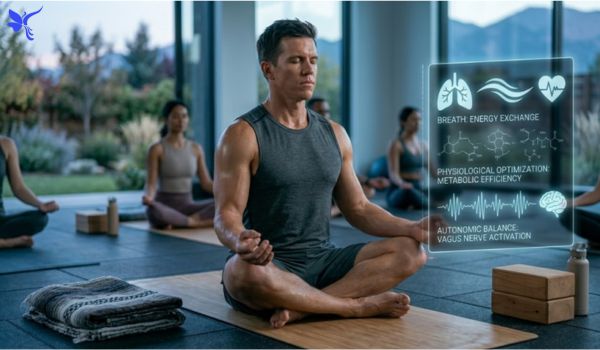
To improve your yoga practice, coordinate every single movement with your breath. Inhale deeply when expanding or stretching, and exhale completely when contracting or folding. This rhythmic synchronization instantly calms your nervous system and enhances your absolute awareness.
Finding Your Tribe and Teacher
You cannot reach peak mastery entirely alone. Practicing alongside a supportive yoga community dramatically increases accountability and makes the journey enjoyable. Finding like-minded individuals provides encouragement when your motivation inevitably begins to dip.
Seek out instructors who resonate with your specific energy. A great teacher ensures excellent asana execution while respecting your bodily limits. If the first instructor feels wrong, keep searching until you find someone who truly inspires your growth.
Conclusion
Ultimately, learning to improve your yoga practice requires a delicate balance of effort and surrender. Listen to your body, embrace the awkward phases, and remember that every time you step onto the mat, you are actively choosing yourself.
Frequently Asked Questions
What are the ways to improve your yoga practice?
Focus on yoga consistency through daily micro-sessions, synchronize every movement with deep pranayama breathing, and prioritize anatomical physical alignment over raw flexibility.
How long does it take to see progress in yoga?
Most practitioners notice improved mobility within weeks, though achieving deep mind-body connection and advanced asana execution typically requires years of dedicated practice.
Can I improve my yoga practice without being flexible?
Absolutely, because yoga is about functional range of motion and holistic wellness rather than touching your toes; flexibility is a byproduct, not a prerequisite.
Is it better to practice yoga in the morning or evening?
Morning sessions boost energy and focus, while evening practices facilitate emotional release and better sleep, so choose the time that ensures your yoga consistency.
Should I use props like blocks and straps to improve?
Yes, using props is a pro-level strategy to maintain proper physical alignment and safely explore new ways to improve yoga practice without risking injury.
How do I know if I’m pushing too hard in a pose?
If your breath becomes shallow or your face tenses, you have bypassed your limit; true growth happens when you find the balance between effort and ease.

Muddasir Tahir is the founder and lead researcher at Lifestyle Dominates. With a strong passion for fitness and self-improvement, Muddasir spends his time studying human movement and high-performance habits.
His goal is to provide informational topics that are easy to understand and backed by careful research. Muddasir believes that everyone has the power to improve their lifestyle by mastering the right techniques.
When he isn’t researching new ways to help people dominate their lives, he is dedicated to building a community of like-minded individuals who strive for strength and a better mindset every day.