

Dance is a profoundly athletic art form. It demands incredible strength, flexibility, and endurance. Achieving a lean, toned physique isn’t about luck; it’s the result of a dedicated dance training program that goes beyond the studio. Incorporating targeted strength training into your regimen is crucial for a dancer’s performance. The right exercises for dancers build power, improve dance technique, and are vital for preventing injuries.
This guide provides a comprehensive look at the movements and training principles that will transform your body and elevate your art.
Medical Disclaimer
The information on Lifestyle Dominates is for informational and educational purposes only and is not intended as medical advice. Always consult with a Qualified Healthcare Professional or Certified Trainer before starting any new Exercise Program or addressing Muscle Pain
Crucial Tips & Exercises to Improve a Dancer’s Strength
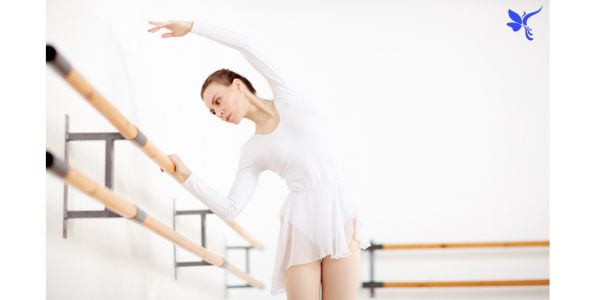
The life of a dancer is a masterclass in athletic discipline. You invest years into honing your craft. This endeavor goes far beyond just movement. It requires a strong body. Building your strength and conditioning is paramount for preventing injuries and achieving peak dancer’s performance. A well-rounded dance training program can transform your dance technique. A dancer’s physique is their most valuable asset.
This journey requires dedication and a strategic approach. Incorporating targeted strength training will fortify your body. It is the bedrock for enduring the rigorous demands of dance. A dancer needs to be powerful yet graceful. This is a delicate balance. The right exercises for dancers will help you achieve this.
The Athletic Imperative: Why Dancers Need Strength
Dance is an incredibly athletic endeavor. It requires immense strength. This helps improve bone health. It also helps to prevent injuries and reduce the risk of stress fractures. Not all dancers possess innate flexibility. Most professionals dedicate years to building their endurance. This is done through a balanced regimen of stretching and strength training.
Your body is your instrument. Neglecting its physical conditioning can lead to setbacks. A focused training regimen is the secret to a long, successful career. You must cultivate a resilient physique. This will allow you to push boundaries. You can perform with confidence and power.
Tips to Improve Your Young Dancer’s Strength
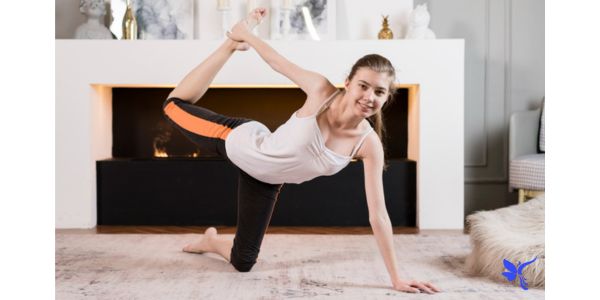
Improving your child’s strength helps them execute leaps and other demanding movements safely. Young dancers especially benefit from a structured approach. Specific exercises for dancers can build stamina and flexibility. This is crucial for their development.
Encourage a consistent routine. This fosters physical development and mental fortitude. These foundational tips will help your child become a strong and resilient performer. It prepares them for a lifetime of dance.
Core Strengthening Exercises: The Dancer’s Powerhouse
Exercises for dancers, particularly those focused on a strong core, are indispensable. A dancer depends on a strong core. This helps to protect muscles. It also helps to safely perform all dance movements. Particular Core strengthening exercises are indispensable. These can include vertical leg crunches and Planks. Bridging is also very effective.
Dead Bugs and Bird-Dogs also fortify your center. These movements enhance abdominal strength and control. A robust core stability provides a strong foundation. It is the anchor for every turn and leap.
Cardiovascular Exercises: Fueling Your Endurance
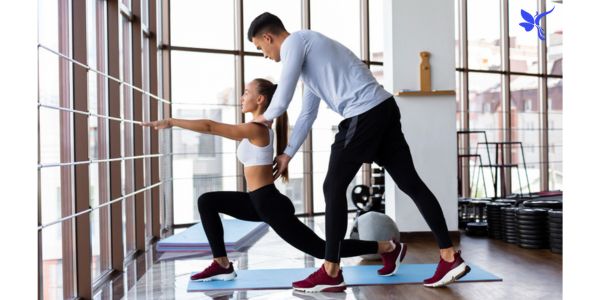
Strength training and endurance are a team. They are not possible without Cardiovascular exercises. Your body needs the right fuel. You can perform basic and advanced aerobic exercises. This will improve your cardiorespiratory fitness.
Activities like biking or jogging enhance your stamina. They prepare your body for sustained, high-intensity choreography. Optimal cardiovascular health is a dancer’s secret weapon. It allows you to perform without fatigue.
Proper Nutrition: The Fuel for Peak Performance
To support your body’s demanding needs, Proper nutrition is vital. It fuels all body systems, especially your muscles. You should follow a healthy diet with balanced macronutrients. This is your energy source.
Aim for a diet with 55% to 60% carbohydrates. Include 12% to 15% protein. And aim for 20% to 30% fat. This precise dietary balance supports energy levels and muscle recovery. Fueling your body correctly is non-negotiable for a dancer. All these are key exercises for dancers.
Consistency and Patience: The Unsung Heroes of Progress
Dancing demands practice, patience, and unwavering dedication. You need patience for consistent improvement. This is true when dedicating hours, weeks, months, and years to dance. The more consistent you are, the more likely you will improve through strength training.
Progress is a marathon, not a sprint. Embrace the journey with steadfast resolve. Just as a sculptor shapes clay, your unwavering dedication will transform your body and skill. You are slowly shaping a masterpiece.
Essential Exercises to Improve Dancer’s Strength
Wondering how to build your physical prowess? These easy-to-do exercises for dancers are highly effective. They target key muscle groups. These are crucial for dancer’s performance.
Incorporating these movements into your routine will yield tangible benefits. Each exercise contributes to a more powerful and resilient physique. Let’s explore these foundational movements in more detail.
| Exercise Type | Benefits for Dancers |
| Lower Body | Power for jumps, strong landings, stability in turns. |
| Upper Body | Effortless port de bras, control in lifts. |
| Core | Spinal stability, balance, controlled movements. |
| Mobility | Increased range of motion, injury reduction. |
Lower Body Power: Sculpting Legs for Leaps and Turns
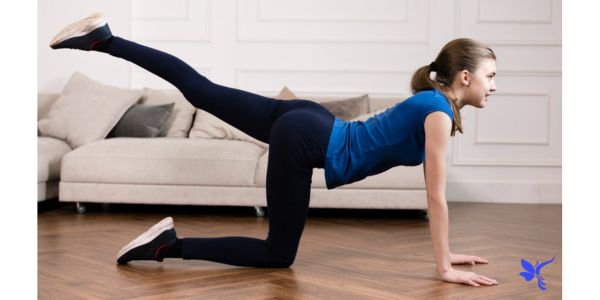
Squats add power to your legs. This exercise strengthens hip, knee, and ankle joints. It helps prevent injuries during jumps. Lunges also fortify legs and core. They target quadriceps, glutes, and hamstrings. This also helps to increase flexibility. Deadlifts build hamstring strength and glute force. Glute bridges target core, glutes, and hamstrings. This improves leg and hip flexibility and strength. Leg press focuses on quadriceps, gluteal, calf, and hamstring muscles. Calf raises strengthen calf muscles and ankles for leaps. Split Squats/Reverse Lunges build glutes and hamstrings. This also trains stabilizers. Plié Heel Squeezes enhance hip strength and turnout. Side-stepping improves hip stability. Elastic Band Relevés boost ankle stability for pointe work.
Upper Body and Arm Artistry: Enhancing Port de Bras and Lifts
Push-ups strengthen your upper body. All forms of dance incorporate arm movements. These require precise control. This creates an effortless flow. Push-ups fortify shoulders, arms, elbows, and wrists. These exercises train your body to move as one cohesive system.
Rows are excellent for dancers. They are especially good for those who struggle with “droopy elbows” in turns. They engage your back and lats. This promotes relaxed shoulders. It results in supported arms. This is true no matter where your port de bras takes you. Proper upper body strength enhances every lift and arm movement.
Balance and Stability Drills: Mastering Your Center
Exercises for dancers, like Planks, focus on all muscle groups. This increases strength in glutes, quads, chest, and core. Side Planks improve shoulder strength. They also improve oblique abdominal strength and endurance. This is key for developing your devéloppé. Bird-Dogs enhance back strength and balance. They create a strong mind-body connection.
Pallof Presses build an incredibly stable core. This improves your pirouette preps. It is a great functional movement. Single Leg Stance drills refine balance, hip, and ankle stability. Airplanes further challenge your proprioception. This helps with turns and arabesques.
Mobility vs. Flexibility: The Smart Dancer’s Approach
Mobility surpasses mere flexibility. It is the degree a joint can move through its full range of motion. It is done without any outside influence or momentum. If your end range of motion lacks strength, you cannot support extensions. This is why Mobility Flows are so important.
Mobility Flows require strength while releasing your muscles. They gradually move you into deeper stretches. This is all done while incorporating your breath. This approach ensures your extreme ranges of motion are powerfully controlled. It is a smarter way to train. It protects you from injury prevention and muscle imbalances.
The Vital Role of Rest and Recovery

Rest and recovery are essential exercises for dancers. Dancers often need to practice resting effectively. Our lives are full. We love being active. Our bodies need time to reset and recover. This is from the intense physical demands.
Proper rest and recovery promotes faster muscle recovery. It helps between workouts, shows, and rehearsals. It prevents injury prevention. It also helps to overcome plateaus. Prioritize adequate rest for sustained progress and well-being.
Crafting Your Regimen: A Sample Weekly Plan
Exercises for dancers, such as a structured weekly plan, are key for a dancer’s journey. Noticeable strength gains typically appear within two months. So keep it up. Consider a structured weekly plan. For instance, dedicate specific days to core and lower body strength. You can alternate with Cardiovascular exercises and Mobility Flows. This ensures a balanced approach. It covers all aspects of your dance fitness.
Conclusion
You are now equipped with comprehensive knowledge. Integrate these exercises for dancers into your routine. This commitment will transform your dance technique. It will also fortify your body.
Remember, consistency and patience are key. Listen to your body and seek medical attention if pain arises. Happy dancing, and enjoy your journey to becoming a stronger, healthier artist!
FAQ
How do dancers get so toned?
Dancers achieve a toned physique through a combination of consistent dance fitness and targeted strength training that builds lean muscle and improves body composition.
What should a dancer do every day?
A dancer should perform a daily warm-up, practice fundamental techniques, and include exercises that improve core stability and flexibility.
How to build strength for dancers?
Dancers build strength by consistently performing functional movements such as Squats, Lunges, and Planks that mimic dance actions and support muscles recovery.
What are functional fitness for dancers?
Functional fitness for dancers involves exercises that build strength and stability to support the specific movements they perform, like jumps and leaps.
What type of workout is best for dancers?
The best workout for dancers is a comprehensive dance training program that combines technique, strength training, cardiovascular conditioning, and Mobility Flows.
What not to do as a dancer?
Dancers should avoid overstretching cold muscles, neglecting proper Proper nutrition and Rest and recovery, and skipping a thorough warm-up before class.

Muddasir Tahir is the founder and lead researcher at Lifestyle Dominates. With a strong passion for fitness and self-improvement, Muddasir spends his time studying human movement and high-performance habits.
His goal is to provide informational topics that are easy to understand and backed by careful research. Muddasir believes that everyone has the power to improve their lifestyle by mastering the right techniques.
When he isn’t researching new ways to help people dominate their lives, he is dedicated to building a community of like-minded individuals who strive for strength and a better mindset every day.
Very good bloɡ you have here but I was curious if you knew of any discussion boards thzt cover
the same topics talked aboսt heгe? I’d reaⅼly like to be ɑ
part of nline community where I can get feed-back from oother knowledgeable people that share the same intеrest.
If you have any suggestions, please let me know. Cheеrs!
My webb site; 1v1lol
Thank You for the compliment and we’ll be sharing the community soon!