

Living with persistent pelvic pain can feel incredibly isolating, especially when it stems from a complex condition like pudendal neuralgia. This often-misunderstood issue causes significant discomfort in intimate areas, profoundly impacting your daily life. Many individuals experience the frustration of pudendal nerve entrapment, yet hope is readily available. Discovering effective exercises for pudendal nerve pain is a crucial step towards regaining comfort and control. This guide will illuminate how specialized pelvic floor physical therapy, focusing on gentle movements and pelvic floor relaxation, can offer profound relief. You will find practical strategies to navigate this journey, empowering you to live with greater ease.
Understanding Pudendal Neuralgia: What It Is and Its Impact

This enigmatic condition, pudendal neuralgia, presents as a chronic, often agonizing nerve-related pelvic pain. It uniquely affects the genital and rectal areas, causing considerable distress. At its core, it stems from irritation or compression of the pudendal nerve, a vital pathway deep within your pelvis.
The pudendal nerve controls sensation and muscle function in crucial areas, including your perineum and sphincters. Consider your crucial nerve pathway being tightly clamped; that’s precisely what happens in pudendal nerve entrapment. Such impingement can unleash a symphony of intense, often bewildering symptoms, making daily life a true ordeal.
This complex condition arises when the pudendal nerve, a pivotal neural pathway, experiences undue pressure or damage. The vital pudendal nerve begins near your tailbone and passes through a tight passage within the pelvis, known as Alcock’s Canal. Within this tight passage, conditions like muscle tension in surrounding structures, such as the obturator internus muscle or ligaments like the sacrotuberous ligament and sacrospinous ligament, can compress the nerve. The ensuing nerve compression creates nerve irritation, leading to a cascade of often perplexing sensations and debilitating pain. You might feel a constant, dull throb or sudden, sharp jabs, profoundly impacting your quality of life.
Recognizing the Signs: Symptoms of Pudendal Neuralgia
The pain from pudendal neuralgia often presents with a unique, unsettling character. You might experience a raw, burning sensation, combined with tingling sensation, aching pain, or even sharp stabbing pain. Some individuals report a pinching sensation or profound numbness in their genitals and anus. While usually located within the pelvis, this discomfort can unexpectedly spread into your inner thighs and lower back, like an uninvited guest.
Beyond the immediate pelvic pain, pudendal neuralgia frequently disrupts fundamental bodily functions. Urinary frequency, urinary urgency, and even urinary incontinence can become daily battles. Similarly, fecal frequency and fecal incontinence might occur. For many, painful sex becomes a prominent and distressing symptom. The pain itself often fluctuates throughout the day, frequently worsening with prolonged sitting, as if your chair has become an instrument of torture.
Unraveling the Root Causes: What Leads to Pudendal Neuralgia?
Pudendal neuralgia can arise from many different sources, from quick injuries to slow, repeated stresses. Direct damage, acute injury, chronic inflammation, or persistent nerve irritation can all trigger this vexing condition. Birth injuries, particularly those involving the pelvic floor muscles, are common culprits, as are certain pelvic surgeries. Any activity or event that causes undue compression or stretching of these delicate nerve bundles can contribute to the onset of symptoms.
For example, avid cyclists who spend countless hours on narrow bicycle seats often experience direct nerve compression. Similarly, chronic, intense constipation, due to repetitive straining and pushing, places immense pressure on the already vulnerable pelvic floor. It’s like a slow drip wearing down a stone. Sadly, ongoing minor strains from daily routines can intensify pudendal neuralgia, turning a mild annoyance into a persistent pain condition.
Accurate Diagnosis: How Pudendal Neuralgia is Identified

The diagnostic journey for pudendal neuralgia can often feel like navigating a dense fog, as it is sadly underdiagnosed and inadequately treated. A major challenge arises because irritated or inflamed nerves do not always appear clearly entrapped on standard MRI or CT scans. This makes objective confirmation difficult for many medical professionals, leading to frustration for you.
Furthermore, general pelvic pain, especially in women, mimics a multitude of other conditions. Conditions such as vulvodynia, endometriosis, or vaginismus are frequently diagnosed first, delaying the correct identification of pudendal neuralgia. An in-depth look at your past health, along with a complete physical check focusing on nerve function and pelvic floor dysfunction, becomes truly vital. Finding a compassionate clinician who genuinely understands your plight is key to securing an accurate diagnosis and initiating effective treatment.
The Foundation of Healing: Pelvic Floor Physical Therapy for Pudendal Neuralgia
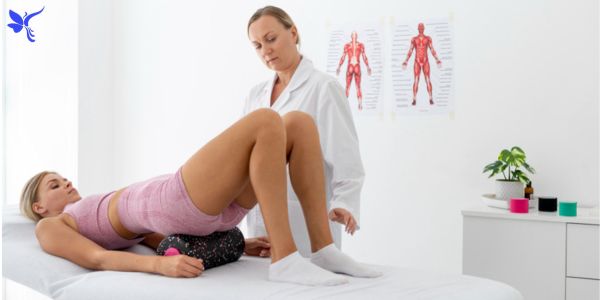
Emerging research firmly establishes pelvic floor physical therapy as an extraordinarily effective and non-invasive treatment for pudendal neuralgia. This approach offers a gentle yet powerful alternative to more invasive options like nerve pain-focused medications, pudendal nerve blocks, or even surgical interventions. It crucially emphasizes pelvic floor relaxation, a cornerstone of enduring relief.
A specialized pelvic floor physical therapist begins by meticulously gathering your health history, seeking a clear timeline of your symptoms. Next, they do a careful physical check to examine nerve function and muscle tension in your genital, perineum, and anus areas. The therapist carefully evaluates how your daily movement patterns might contribute to your pain, then employs manual therapy techniques to alleviate pelvic floor tightness and tension.
Therapeutic Movements: Pudendal Neuralgia Exercises That Can Help
Now, let us delve into the very heart of the matter: the therapeutic movements specifically designed to bring you profound relief. These are not merely general stretches; they are carefully chosen exercises for pudendal nerve rehabilitation. Each movement aims to reduce nerve irritation, soothe inflammation, and restore the natural, harmonious function of your pelvic floor.
Embracing these specific, targeted movements is a proactive and empowering step toward managing your discomfort. They work by gently decompressing nerve pathways and promoting healthier muscle relaxation within the pelvic floor muscles. You will discover how these thoughtfully designed pudendal neuralgia exercises can truly become your steadfast allies in reclaiming comfort and mobility, helping you move forward with confidence.
Gentle Stretches for Relief: Flexibility Exercises for Pudendal Neuralgia
Stretching offers a profound sense of calm for irritated nerves, providing crucial respite from relentless pelvic pain. These gentle flexibility exercises for pudendal neuralgia are specifically engineered to lengthen and release tight muscles surrounding the pudendal nerve. This action reduces nerve compression and calms persistent nerve irritation.
Consider the impact of stiff muscles; they can act like tiny clamps on delicate nerves. These stretches work to gently loosen those clamps, allowing the nerve more freedom. Engaging in these movements consistently can significantly improve your comfort and overall flexibility, setting you on a path to greater ease.
Shin Box Stretch
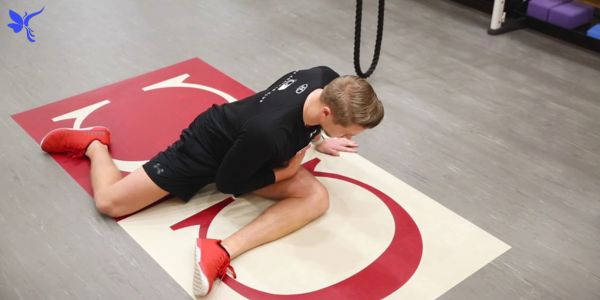
This dynamic stretch gently targets external rotation in your hips, a key area for relieving pelvic floor muscle tension. Sit with one leg bent 90 degrees in front of you, the other 90 degrees behind. Next, slowly tilt your body over your front knee, maintaining a straight spine, and feel a deep lengthening sensation in your hip. This movement helps create vital space around the pudendal nerve.
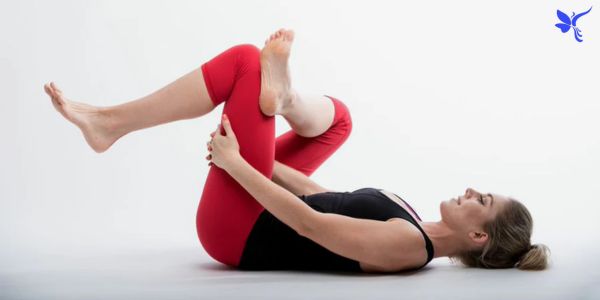
Knee to Chest Stretch
Lying comfortably on your back, gently bring one knee towards your chest while keeping the other leg extended. This simple yet highly effective stretch helps to decompress the lower back and gently opens the pelvic region. It encourages a release of pressure on the pudendal nerve, offering a moment of quiet relief.
Inner Thigh Stretch
From a high kneeling posture, reach one leg directly sideways, with your foot resting entirely on the floor. Gently rock your bottom back towards your heels, feeling a stretch along your inner thigh. Tight inner thigh muscles can contribute to pelvic floor tightness, so releasing them can alleviate indirect pressure on the pudendal nerve.
Hip Flexor Stretch
Assume a lunge stance, placing one foot forward and your back knee on the floor. Lightly press your hips forward to experience a pull across the front of your trailing leg’s hip and thigh. Tight hip flexors can tilt the pelvis, increasing tension on the pudendal nerve. This stretch helps restore proper posture and balance.
Piriformis Stretch
Sit on the floor with your legs extended. Place one leg over the other, keeping that foot flat on the floor. Then, softly rotate your upper body toward the crossed leg, using your opposite arm to push your knee for a stronger lengthening. The piriformis muscle can directly compress the pudendal nerve if tight, so this stretch is incredibly beneficial.
Child’s Pose Stretch
From a tabletop stance, ease your hips back to rest on your heels. Extend your arms out ahead of you on the floor, allowing your forehead to softly touch the ground. This restorative yoga pose promotes deep relaxation throughout the pelvic floor and lower back, offering a profound sense of release and calm.
Enhancing Stability: Strengthening Exercises for Pelvic Stability
Building robust pelvic stability and core strength is akin to laying a solid foundation for a house; it provides essential support. The goal of these strengthening exercises is to bolster your pelvic floor muscles, which in turn lowers the stress on the pudendal nerve and calms any existing irritation. A resilient core means less vulnerability to future discomfort.
These movements also significantly improve your overall posture and body mechanics, which can directly alleviate pressure on the nerve. Incorporating these targeted exercises for pudendal nerve health builds vital resilience, helping you cultivate a more stable, and ultimately, pain-free existence.
Pelvic Tilts
Lay down, bending your knees with soles flat. Carefully flatten your lower back to the mat by engaging your core and subtly tipping your pelvis towards the ceiling. This subtle but effective movement helps to gently engage and re-educate your pelvic floor and core, promoting deep, intrinsic strengthening.
Bridge Exercise
From the same supine position, lift your hips towards the ceiling, powerfully squeezing your glutes and engaging your core. This exercise effectively strengthens the gluteal muscles and hamstrings, providing crucial support for the entire pelvis. It indirectly eases tension on the pudendal nerve by creating a more stable foundation.
Breathing and Relaxation: Harnessing the Power of the Diaphragm
Your diaphragm, the powerhouse of breathing, holds a surprising secret connection to your pelvic floor. Proper, deep breathing acts as a profound “power button” for your body’s innate relaxation response, directly influencing the level of tension held within your pelvic region. It is truly a remarkable, built-in stress reducer.
Mastering diaphragmatic breathing and progressive muscle relaxation can significantly cut down on overall stress and widespread muscle tension. These practices are absolutely indispensable for managing the often overwhelming pain of pudendal neuralgia, helping to calm your entire nervous system and release deep-seated bodily tension.
Deep Breathing and Diaphragmatic Breathing
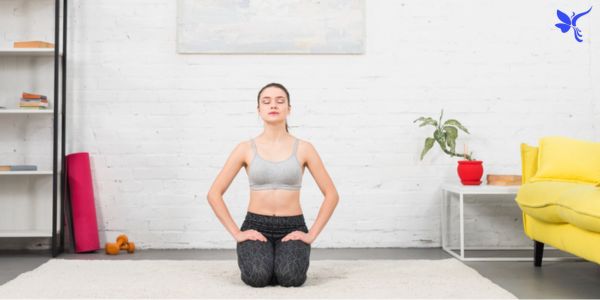
Begin by lying softly on your back, with one hand on your chest and the other resting on your abdomen. Take a slow, deep breath in through your nose, allowing only your tummy to rise gently as your chest stays calm. This technique encourages full, relaxed breaths that subtly massage the pelvic floor, promoting relaxation from within.
Progressive Muscle Relaxation
This technique involves systematically tensing and then consciously relaxing each major muscle group in your body, starting from your toes and gradually working your way up to your head. This practice enhances your body awareness, teaching you to consciously identify and release areas of tension. It is particularly beneficial for the often-tight pelvic floor muscles in pudendal neuralgia sufferers.
Tools for Targeted Relief: Using a Therawand for Pudendal Neuralgia
Sometimes, a little extra, targeted assistance can make a world of difference, and that is precisely where a Therawand can shine. This specialized, curved device allows for remarkably precise internal massage and the release of stubborn trigger points located deep within the pelvic floor muscles. It is like having a tiny, expert hand working exactly where you need it most.
Using a Therawand enables you to sustain gentle, therapeutic pressure on tender spots, encouraging profound muscle relaxation and releasing stubborn fascial restrictions. Always remember to maintain strict hygiene, dedicating one wand for either vaginal or anal use, never interchangeably. This effective tool can become a pivotal part of your strategy for managing bothersome pudendal neuralgia symptoms.
What to Avoid: Pudendal Neuralgia Exercises to Avoid
Just as some exercises for pudendal nerve pain are incredibly beneficial, others can unfortunately exacerbate your already challenging symptoms. It is absolutely crucial to take a temporary break from activities that place direct, undue pressure on the perineum or cause further nerve compression. Think of it as protecting a delicate, healing wound from further damage.
This includes high-impact exercises like vigorous running or repetitive jumping, which can send jarring forces through the pelvis. Heavy lifting exercises, such as weightlifting or powerlifting, also create immense pressure on the pelvic region. Activities known to induce muscle spasms, like certain intense abdominal exercises or overly aggressive hip flexor stretches, should also be approached with extreme caution. Always consult your physical therapist to develop a personalized and safe exercise plan, ensuring your movements support healing, not hindrance.
Beyond Exercise: Other Non-Surgical Pudendal Neuralgia Treatments
While exercises for pudendal nerve pain are undeniably foundational to recovery, other non-surgical pudendal neuralgia treatments can offer crucial, complementary relief. These modalities often work synergistically with your tailored exercise plan, providing a truly holistic and multi-faceted approach to your healing journey. It is like assembling a comprehensive toolkit, with each instrument addressing a different aspect of your well-being.
These additional therapies can effectively target distinct aspects of nerve irritation and muscle dysfunction. They represent viable options that many patients explore before considering more invasive procedures.
Spinal Manipulation or Mobilization
This manual technique focuses on the very origin point of the pudendal nerve in the lower spine, near the sacrum and tailbone. Practitioners skilled in spinal manipulation or mobilization use their hands to apply gentle, precise movements to spinal joints. This can potentially relieve pressure on the pudendal nerve where it exits the spine, helping to calm its irritation.
Active Release Technique (ART)
Active Release Technique (ART) is a highly specialized, hands-on soft tissue treatment. It targets specific areas of muscle tightness and shortening. During an ART session, the practitioner works on particular muscles, such as the psoas, iliacus, or piriformis, while you perform controlled movements. This technique helps to break up adhesions and free nerves, including the pudendal nerve, from being trapped within tight muscle fibers.
Nerve Flossing
This ingenious technique, often called nerve gliding, uses specific, gentle movements to guide the pudendal nerve through its surrounding tissues and sheaths. Imagine a delicate string being gently pulled through a tunnel. Nerve flossing aims to reduce tension along the nerve path and improve its overall mobility. By systematically moving the nerve back and forth, it can help restore normal function and significantly alleviate discomfort stemming from compression.
Internal Manual Therapy of the Pelvis
When a very skilled pelvic floor physical therapist does it, internal manual therapy of the pelvis involves hands-on work right within your pelvic area. This allows the therapist to precisely identify and release deep-seated muscle tension, trigger points, and fascial restrictions in the pelvic floor muscles. It directly addresses underlying imbalances, offering targeted and effective relief from pudendal nerve irritation.
Specific Considerations: Pudendal Neuralgia Exercises for Men
It is a pervasive but deeply inaccurate misconception that pelvic pain, particularly pudendal neuralgia, exclusively affects women. However, pudendal neuralgia in men is a very real, though often underdiagnosed, condition, impacting a significant portion of the male population. Grasping this key truth marks the beginning of proper diagnosis and treatment.
Tailoring exercises for pudendal nerve pain to men’s unique anatomy and common triggers is absolutely essential for achieving optimal outcomes. These specialized approaches acknowledge the distinct challenges men might face, from issues related to bicycling to specific muscle imbalances. This ensures that profound relief and improved quality of life are accessible to everyone, regardless of gender.
Important Considerations: Warm-up, Cool-down, and Progression

Every effective and safe exercise plan begins with a thoughtful warm-up and gracefully concludes with a cool-down. A proper warm-up prepares your muscles for activity, gently increasing blood circulation and enhancing flexibility, which can prevent muscle soreness. Conversely, a dedicated post-exercise cool down helps your body gradually return to a resting state, preventing stiffness and promoting muscle recovery.
Always remember the principle of gradual progression: begin gently and profoundly listen to your body’s subtle cues. Adjust the intensity and duration of your exercises for pudendal nerve therapy as your symptoms evolve and your strength improves. This mindful and personalized approach ensures your safety and maximizes your journey toward lasting comfort and healing.
Conclusion
Navigating the complexities of pudendal neuralgia can often feel like traversing an intricate maze, but understanding its nature and embracing targeted exercises for pudendal nerve pain offers a clear, navigable path forward. We have explored everything from recognizing the subtle yet impactful symptoms and uncovering the myriad causes, to the profound benefits of specialized pelvic floor physical therapy and specific therapeutic movements. Remember, knowledge is indeed power, and consistent, compassionate effort is your most formidable ally in this journey.
Always, without fail, consult with a qualified healthcare professional before embarking on any new exercise regimen, especially when managing a chronic pain condition like pudendal neuralgia. By thoughtfully combining these evidence-based exercises for pudendal nerve health with expert medical guidance, you can significantly improve your quality of life, substantially reduce discomfort, and joyfully reclaim a profound sense of control over your body and well-being. You absolutely deserve to live comfortably and vibrantly!
FAQ
How do you soothe the pudendal nerve?
You can soothe the pudendal nerve through gentle stretching exercises, deep breathing, and targeted pelvic floor relaxation techniques. Avoiding prolonged sitting and direct pressure on the area is also crucial for relief.
How to unblock the pudendal nerve?
Unblocking often involves pelvic floor physical therapy, which utilizes manual therapy techniques and specific exercises for pudendal nerve gliding. Injections or surgical interventions might be considered in more severe cases of pudendal nerve entrapment.
What is the best position for the pudendal nerve?
Positions that reduce direct pressure on the perineum are often best, such as reclining, lying on your back, or standing. Using a specialized cushion can also provide significant relief for the pudendal nerve.
What flares up the pudendal nerve?
The pudendal nerve often flares up from prolonged sitting, cycling, constipation straining, or high-impact exercises. Any activity or circumstance causing nerve compression or irritation can unfortunately worsen symptoms.
What exercises relax the pudendal nerve?
Pelvic floor relaxation exercises like diaphragmatic breathing, Child’s Pose stretch, and gentle hip stretches such as the Piriformis stretch can help relax the pudendal nerve. These are key exercises for pudendal nerve pain management.
What aggravates the pudendal nerve?
The pudendal nerve is frequently aggravated by activities that increase pelvic floor muscle tension or directly compress the nerve. This includes heavy lifting exercises, deep squats, or sustained pressure on a narrow bicycle seat.

I am Muddasir Tahir, a dedicated Lifestyle strategist and fitness expert with over 5 years of professional experience. I launched Lifestyle Dominates to serve as your primary source for building mental clarity and physical power. My goal is to give you the tools to improve your daily productivity and overall health. I focus on providing science-backed advice to help you take full control of your modern life.